


Effects of Xiaoyao Pills

Xiao Yao Wan is a relatively common traditional Chinese medicine (TCM) formula; however, it is not suitable for everyone. What are its therapeutic effects?
Therapeutic Effects of Xiao Yao Wan
Xiao Yao Wan primarily functions to invigorate blood circulation, resolve blood stasis, and regulate menstruation. It is a compound TCM preparation with relatively mild side effects. It may be used for conditions such as menstrual irregularities, mammary gland hyperplasia, and uterine fibroids, offering regulatory and therapeutic benefits. However, alcohol consumption must be strictly avoided during menstruation, as it may increase menstrual flow and duration, potentially leading to subsequent menstrual disorders.
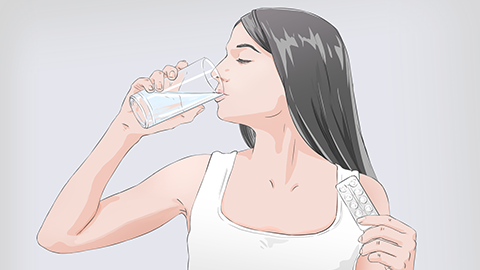
Indications for Xiao Yao Wan: Liver Qi stagnation, blood deficiency, and spleen Qi deficiency manifesting as flank pain, depression, low-grade fever, and mammary nodules (ru pi). Specific symptoms include distending or stabbing pain in the flanks and abdomen, unsteady gait, reduced appetite, belching, or nausea; emotional depression, poor appetite, and fatigue.
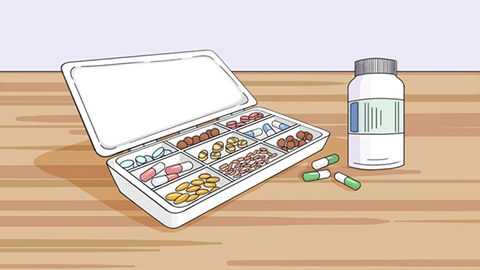
Treatment of premenstrual syndrome (PMS): Xiao Yao Wan demonstrates well-established efficacy with stable long-term therapeutic outcomes, making it a specialized medication for PMS. It is also indicated for early-onset menstruation, menorrhagia, epistaxis during menstruation, and metrorrhagia–metrostaxis (abnormal uterine bleeding). In women, blood serves as the fundamental substance; blood production depends on the Spleen, while storage and regulation rely on the Liver. When Liver Qi becomes stagnant, blood stasis may ensue, frequently resulting in menstrual irregularities. Prolonged stagnation may transform into heat, damaging the Chong Mai (Penetrating Vessel) at any site—leading to symptoms such as premature menstruation, excessive menstrual bleeding, menstrual epistaxis, or metrorrhagia–metrostaxis. Breast disorders: Bilateral breast nodules of varying sizes—often round, ill-defined, firm or cystic in consistency, and mobile upon palpation—are commonly observed, especially premenstrually. We hope this information proves helpful to you.


