


Is mosquito repellent liquid harmful to humans?

Mosquitoes become more prevalent in summer, posing a risk of bodily harm; therefore, many people use mosquito-repellent liquid vaporizers while sleeping at night. However, concerns arise regarding potential adverse effects on health—so, are mosquito-repellent liquid vaporizers harmful to humans?
Are mosquito-repellent liquid vaporizers harmful to humans?
Electric mosquito-repellent vaporizers pose certain health risks. Given the high mosquito activity during hot summer months, people often opt for these devices to control mosquitoes. However, during operation, they release chemical substances—including pyrethroids and toluene—which may adversely affect human health. In enclosed spaces, exposure may trigger allergic reactions such as skin rashes, laryngeal edema, or even bronchospasm.
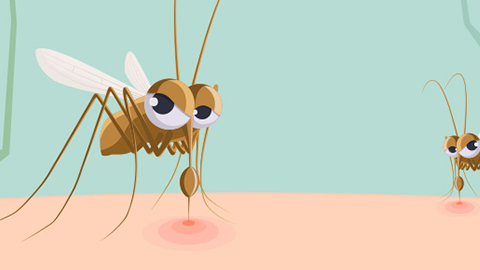
Electric mosquito-repellent vaporizers can be broadly categorized into two types: liquid-based and mat-based. They are indispensable household items during summer. The primary active ingredient is generally prallethrin (or similar synthetic pyrethroids); combustion or heating releases potentially harmful byproducts. When used as directed and with products from reputable manufacturers, the associated health risks remain minimal. It is recommended to use one unit per night, with each refill lasting approximately eight hours.

Always purchase mosquito-repellent liquid vaporizers from certified, reputable manufacturers. Substandard products may contain insufficient amounts of natural pyrethrins (e.g., pyrethrum extract), prompting manufacturers to substitute toxic alternatives to achieve comparable efficacy—rendering such products potentially hazardous. Pregnant women and infants, whose immune systems are relatively weaker, should avoid using mosquito-repellent vaporizers altogether. Instead, physical prevention methods—such as window screens and mosquito nets—are strongly recommended. We hope this information proves helpful.


