


What Causes Headache After Drinking Alcohol?

Whether male or female friends, many people enjoy drinking alcohol—but headaches frequently occur afterward. What causes hangover headaches?
What Causes Hangover Headaches?
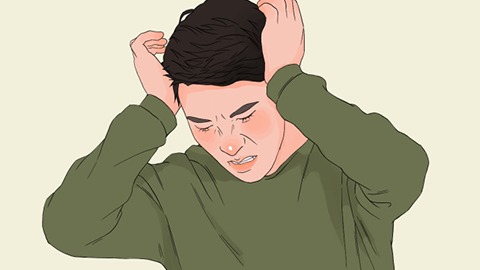
Headaches following excessive alcohol consumption result from harmful substances present in alcoholic beverages—such as fusel alcohols, which are byproducts of fermentation and known to trigger headaches. Another group of compounds, amines—including catecholamines—can also provoke cerebral pain. Additionally, alcohol induces vasodilation; the subsequent expansion of blood vessels may contribute to headache development.

Moderate alcohol consumption can promote blood circulation, and small amounts of alcohol exert a mild stimulatory effect on the body, enhancing alertness and mental vigor. Ethanol—the primary component of alcoholic beverages—exerts antiseptic effects throughout the upper gastrointestinal tract, from the mouth to the stomach. Alcohol also contains water, which helps quench thirst and may contribute to anti-aging and longevity benefits. In older adults, moderate alcohol intake may exert a mild blood pressure–lowering effect—but consumption must be strictly limited to no more than 50 mL per day. Furthermore, alcohol may help alleviate psychological stress to some extent.
However, excessive alcohol intake poses significant health risks. For instance, it can damage the gastric mucosa, precipitate acute gastritis, and even cause gastrointestinal bleeding. If vomiting occurs after drinking, Mallory–Weiss tears (esophageal-gastric junction lacerations) may develop. Once ingested, alcohol is primarily metabolized in the liver, where catalase converts ethanol into acetaldehyde. Acetaldehyde is toxic and, with chronic exposure, may lead to alcoholic cirrhosis. Prolonged heavy drinking may also induce neurological complications.


