


How to manage febrile seizures in children

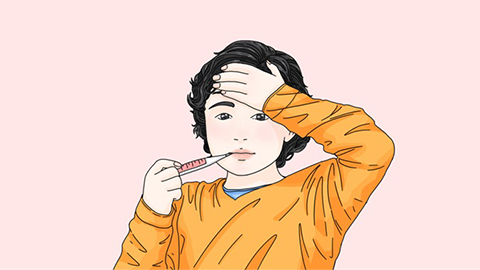
In daily life, fever in infants and young children may occur due to inadequate warmth protection or poor dietary habits. In severe cases, fever can trigger febrile seizures. How should febrile seizures in children be managed?
Management of Febrile Seizures in Children
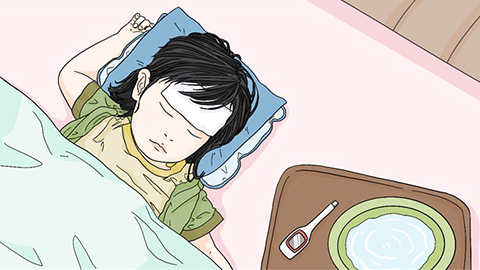
The following approaches are recommended for managing fever and febrile seizures in children: - Reduce body temperature. If a child begins seizing, parents should promptly open windows to ensure proper ventilation and fresh air circulation in the room. When the child is sweating profusely, gently wipe the body dry with a towel and change into clean, comfortable clothing. Encourage the child to drink plenty of warm water to aid in lowering body temperature. - Cool compresses. Parents may apply cool, damp towels to areas rich in superficial blood vessels—such as the armpits and groin—and replace them every 3–5 minutes. These sites facilitate efficient heat dissipation due to their abundant blood supply and proximity to the skin surface.
Tepid sponge bath. Parents may immerse the child in lukewarm water (approximately 30°C) for 10–15 minutes, then carefully wrap the child in a towel and pat the skin dry.
Oral antipyretics. If physical cooling measures prove insufficient and the child remains febrile, parents may administer an appropriate dose of over-the-counter antipyretic medication as directed. - During a seizure: Parents should immediately loosen the child’s clothing—especially around the neck—to prevent respiratory compromise. Dietary intake should remain light and easily digestible. We hope this information proves helpful.


