


What does natural conception mean?

In healthy women, ovulation occurs monthly. After a single egg matures within an ovary, it is released from the ovary and transported via the fallopian tube to the uterus. Pregnancy begins when a mature egg meets sperm in the fallopian tube and fertilization occurs—a process known as natural conception.
What Is Natural Conception?
Natural conception refers to achieving pregnancy without medical intervention. Patients do not require ovulation-inducing medications or hormonal treatments to regulate their menstrual cycles, nor do they undergo assisted reproductive technologies such as intrauterine insemination (IUI) or in vitro fertilization (IVF). Instead, patients may estimate their fertile window using calendar-based methods, ovulation predictor kits, or transvaginal ultrasound monitoring. Intercourse is timed around ovulation—ideally on the day of ovulation or during the fertile window. If sperm successfully travel through the cervix and uterus into the fallopian tubes, meet the egg, form a zygote, and the resulting embryo implants in the uterine cavity, natural conception is complete.
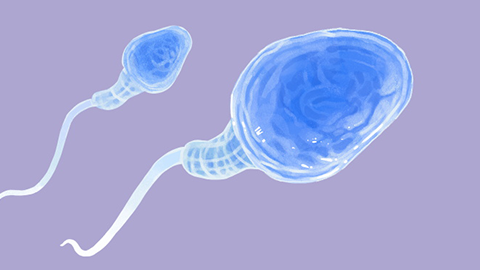
Pregnancy is inherently probabilistic. Natural conception specifically describes the physiological process whereby a mature egg is fertilized by sperm within the fallopian tube—the beautiful “crystallization of love.” However, some couples may experience difficulty conceiving despite several months of well-timed, unprotected intercourse. In such cases, certain evidence-based strategies can help improve the likelihood of natural conception.

During preconception preparation, both partners should prioritize optimal health: quit smoking and alcohol consumption, avoid exposure to toxic chemicals, ionizing radiation, and pets (particularly those carrying zoonotic infections), prevent common colds and infections, and refrain from taking any medications unless prescribed by a physician. Both partners should engage in at least 30 minutes of outdoor physical activity daily to enhance sperm and oocyte quality. Nutritionally, a balanced, nutrient-rich diet—including ample fresh vegetables and fruits—is essential. Folic acid supplementation is strongly recommended before conception and throughout early pregnancy. Folic acid significantly reduces the risk of major congenital anomalies, including neural tube defects, cardiovascular malformations, and limb development disorders. We hope this information is helpful to you.


