


How long does a traumatic tympanic membrane perforation typically take to heal spontaneously?

The eardrum (tympanic membrane) is located deep within the ear canal. It is extremely thin and delicate; without proper care, it can easily become injured. Tympanic membrane perforation occurs relatively frequently. If the eardrum ruptures, hearing may be significantly impaired. Some individuals believe that such perforations will heal spontaneously and therefore choose not to seek medical attention. So, how long does a traumatic tympanic membrane perforation typically take to heal on its own?
How Long Does a Traumatic Tympanic Membrane Perforation Typically Take to Heal Spontaneously?
The spontaneous healing time for a traumatic tympanic membrane perforation is variable and primarily depends on the size (diameter) of the perforation. Small perforations usually heal within approximately one week. Larger perforations require longer healing times—typically one to three months. Importantly, if the perforation fails to heal within three months, surgical tympanic membrane repair (myringoplasty) should be performed promptly.
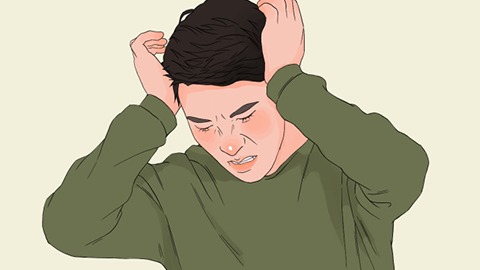
Tympanic membrane perforations can be classified as either traumatic or infectious (e.g., secondary to otitis media). Traumatic perforations commonly present with symptoms including ear pain, bleeding from the ear, tinnitus, and a sensation of fullness or pressure in the ear. In contrast, perforations caused by otitis media are typically associated with severe ear pain initially, followed by purulent discharge from the ear; the pain often subsides markedly once drainage begins.

Patients with tympanic membrane perforation should avoid forceful nose-blowing, refrain from irrigating the external auditory canal with water, and avoid instilling any medications (including over-the-counter ear drops) into the ear. Such practices offer no therapeutic benefit and may instead introduce bacteria into the middle ear, leading to infection. Additionally, patients must keep the external auditory canal clean and dry—water must not enter the ear canal, swimming is prohibited, and ear-canal cleaning (e.g., with cotton swabs) should be avoided. They should also maintain general warmth to prevent colds, minimize sleep deprivation, consume more fruits and vegetables, and limit intake of spicy, stimulating, dry, or greasy foods. We hope this information is helpful to you.


