


What Traditional Chinese Medicine (TCM) herbs can be used to regulate endocrine disorders?

Endocrine disorders profoundly affect women. Whether for beauty or health, it is essential to take them seriously. In daily life, it is advisable to learn more about the causes of endocrine imbalance and practice routine health maintenance to prevent disease before it occurs—leaving no opportunity for illness to take hold. So, which traditional Chinese medicines (TCM) can help regulate endocrine imbalances?

Which Traditional Chinese Medicines Help Regulate Endocrine Imbalance?
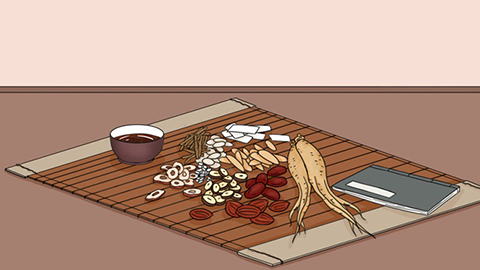
Many TCM herbs are used to address endocrine disorders, including white peony root (Paeonia lactiflora), chrysanthemum flower (Chrysanthemum morifolium), turmeric rhizome (Curcuma aromatica), and saffron (Crocus sativus). For facial acne caused by endocrine imbalance, herbs that clear heat, drain dampness, invigorate blood circulation, and cool the blood—such as skullcap root (Scutellaria baicalensis), coptis rhizome (Coptis chinensis), red peony root (Paeonia veitchii), and tree peony bark (Paeonia suffruticosa)—may be employed. For menstrual irregularities resulting from endocrine imbalance, kidney-tonifying and menstruation-regulating herbs—including deer antler (Cervus nippon)—are commonly prescribed. During menopause, declining estrogen levels often lead to yin deficiency with internal heat; in such cases, Kunbao Wan (Kunbao Pills) and Zhibai Dihuang Wan (Anemarrhena-Phellodendron-Rehmannia Pill) may be beneficial. However, all TCM remedies must be administered under the guidance of a qualified TCM practitioner—self-prescription and self-administration are strongly discouraged.
There are numerous causes of endocrine imbalance. First, unhealthy lifestyle habits—such as chronic sleep deprivation, irregular sleep schedules, and frequent late-night activity—can disrupt hormonal balance. Unhealthy dietary patterns—including regular consumption of deep-fried foods, excessively greasy, sweet, or salty meals—also contribute significantly. Particularly detrimental are binge eating and routinely skipping breakfast. Second, emotional instability—marked by frequent mood swings and outbursts of anger—as well as excessive physical exercise or extreme dieting for weight loss, can adversely affect endocrine function. Finally, seasonal and environmental changes may also trigger endocrine dysregulation.
The above outlines TCM approaches for regulating endocrine imbalance. We hope this information proves helpful to you.


