


What Are the Common Liver Diseases?

Liver disease is a relatively common and highly hazardous condition that often adversely affects daily life and overall health. What are the common types of liver disease?
Common Types of Liver Disease
Liver diseases primarily include hepatic cysts, intrahepatic hemangiomas, hepatitis, cirrhosis, and hepatocellular carcinoma. Additionally, the gallbladder—closely associated with the liver—stores bile secreted by the liver; thus, gallbladder-related conditions such as cholecystitis and gallstones are also clinically relevant. In Traditional Chinese Medicine (TCM), the liver is one of the five vital organs and is anatomically located in the right upper quadrant of the abdomen. The liver and gallbladder are collectively referred to as the “liver-gallbladder system.” Moreover, major hepatic functions—as understood in Western medicine—include detoxification, synthesis, secretion, and metabolism.
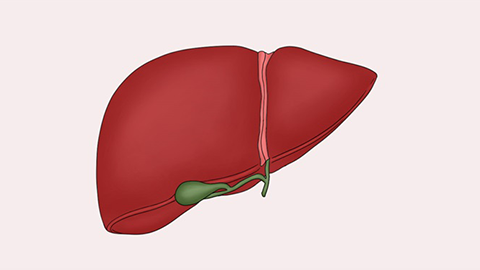
In treating liver disease, antiviral therapy is recommended for chronic viral hepatitis B, often combined with hepatoprotective agents and immunomodulatory drugs. For alcoholic liver disease, complete abstinence from alcohol is mandatory during treatment, along with hepatoprotective and enzyme-lowering medications. In severe cases, chemotherapy or radiotherapy may be considered.
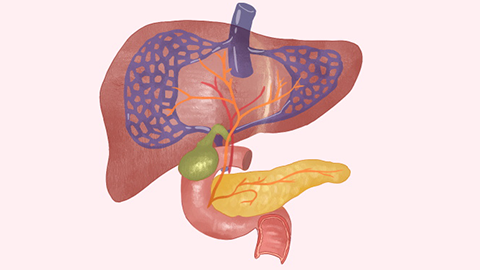
Patients with liver disease should consume ample fresh vegetables and fruits—such as spinach, pumpkin, carrots, cucumbers, tomatoes, apples, and grapes—while limiting intake of high-sugar and high-fat foods. Including edible fungi—such as wood ear mushrooms (Auricularia auricula-judae) and shiitake mushrooms (Lentinula edodes)—in the diet not only enhances immune function but also exhibits tumor-suppressive and anticancer properties. We hope this information proves helpful to you.


