How to Regulate and Improve Poor Gastric Function
Apr 14, 2022
Source: Cainiu Health

Dr. Liu Zhengxin
Introduction
Gastrointestinal regulation should begin with lifestyle modifications and dietary adjustments. First and foremost, to improve gastrointestinal health, one should adopt a light diet—avoiding tobacco, alcohol, strong tea, and coffee—and limit intake of spicy, greasy foods. Instead, emphasize fresh fruits and vegetables rich in vitamins and high-quality protein. Additionally, consume easily digestible foods such as congee, while minimizing semi-liquid foods and avoiding sticky or hard-textured items.
The stomach is a vital organ in the human body. How should one manage and improve poor gastric health?
How to Manage and Improve Poor Gastric Health
Gastrointestinal regulation should begin with modifications to lifestyle and dietary habits. First and foremost, to support gastrointestinal health, adopt a light, bland diet—avoid tobacco, alcohol, strong tea, and coffee; limit intake of spicy and greasy foods; and increase consumption of fresh fruits and vegetables rich in vitamins and high-quality protein. Additionally, favor easily digestible foods such as congee (rice porridge), while minimizing semi-liquid foods and avoiding sticky, hard, or otherwise difficult-to-digest items to reduce strain on the gastrointestinal tract. Engaging in moderate physical activity after meals can enhance gastrointestinal motility, promote digestion, and support overall digestive function. When necessary, traditional Chinese herbal remedies tailored to one’s individual constitution may also be used to strengthen the spleen and stomach.

Poor gastrointestinal health often results from unhealthy eating habits, Helicobacter pylori infection, or prolonged use of antibiotics. In many cases, gastric disorders stem directly from daily lifestyle and dietary patterns—for instance, irregular meal schedules, binge eating, smoking, and excessive alcohol consumption—all of which impair gastric motility and predispose individuals to gastric disease. Helicobacter pylori is an anaerobic bacterium capable of surviving in the highly acidic environment of the stomach. Once infection occurs, metabolic byproducts released by H. pylori damage the gastric mucosa and disrupt normal gastric function, thereby increasing both the risk of developing gastric disease and its likelihood of recurrence.
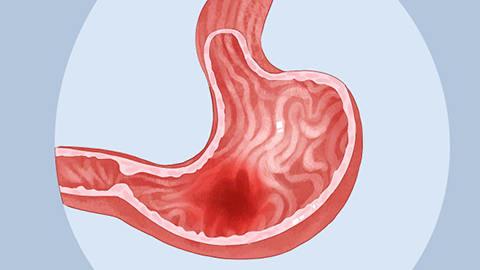
In daily life, prioritize adequate rest—avoid frequent late-night activities and ensure sufficient sleep duration. We hope this information proves helpful to you.