What is a keloid-prone constitution?
Apr 14, 2022
Source: Cainiu Health

Dr. Gan Liqiang
Introduction
If you have scars, take care to avoid trauma as much as possible in daily life. If surgery is required, be sure to inform your surgeon about your keloid or hypertrophic scarring tendency so that appropriate measures—such as specialized suturing techniques—can be implemented during and after the procedure to minimize scar tissue proliferation. Additionally, topical or systemic medications may be used postoperatively to prevent excessive scarring. For existing scars, treatment options include intralesional corticosteroid injections, among others.
In daily life, some individuals may have a keloid-prone constitution—meaning they develop scars after any surgical procedure. However, many people are unfamiliar with what exactly constitutes a “keloid-prone constitution.”
What Is a Keloid-Prone Constitution?
A keloid-prone constitution refers to a tendency for excessive scar tissue (keloid or hypertrophic scar) formation at sites of local trauma or surgical incisions. Such scar tissue often extends well beyond the original wound margins and progressively thickens and expands over time, frequently accompanied by varying degrees of pain or pruritus (itching).
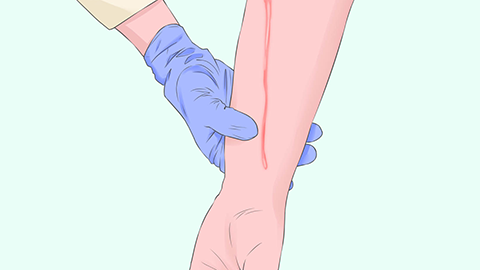
If you have a known keloid-prone constitution, it is essential to avoid unnecessary trauma in daily life. Prior to any surgery, be sure to inform your surgeon about this condition so that appropriate preventive measures—such as specialized suture techniques or adjunctive therapies—can be implemented intraoperatively and postoperatively to minimize scar formation. Additionally, topical or systemic medications may be used postoperatively to prevent abnormal scarring. For established scars, treatment options include intralesional corticosteroid injections or surgical revision.

During the early healing phase following injury, anti-proliferative medications may be applied. When scar proliferation is imminent, medical irradiation therapy can be employed to suppress excessive growth. In cases of deep, markedly proliferative scars, higher-dose irradiation may be required. For keloid formation on the head or face, localized compression therapy using elastic garments (e.g., pressure garments or silicone sheets) may help improve appearance and reduce symptoms. Proper management—including maintaining local dryness and hygiene, and avoiding rubbing or scratching the area—can yield meaningful clinical benefits. We hope this information is helpful to you!