


Are gastrointestinal stromal tumors (GISTs) malignant?

Gastrointestinal stromal tumors (GISTs) are typically very small in volume and asymptomatic in the early stages; many patients are only diagnosed incidentally during gastroscopy.
Are gastrointestinal stromal tumors malignant?
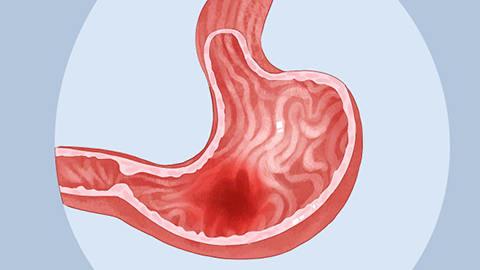
Gastrointestinal stromal tumors are malignant neoplasms. When gastric GISTs develop, patients may present with clinical symptoms such as abdominal pain, abdominal distension, and hematochezia. These symptoms warrant prompt medical attention, and surgical resection is strongly recommended. Lymph node dissection is generally unnecessary during surgery, as lymph node metastasis is exceedingly rare in gastric GISTs. Following surgical resection, adjuvant targeted therapy—typically oral imatinib mesylate—should be considered based on histopathological classification and molecular genetic testing results to optimize patient outcomes. With timely surgical intervention and appropriate targeted therapy, most patients recover well and require only regular follow-up examinations.

Patients newly diagnosed with GIST should seek medical care promptly. During surgery, tumor rupture or compression must be avoided. Postoperatively, the diet should consist primarily of liquids or semi-liquids to minimize gastrointestinal burden. Patients should undergo follow-up examinations every 3–6 months to monitor for potential recurrence or metastasis.
Patients may engage in moderate outdoor activities to divert attention and alleviate depressive mood. After tumor resection, adjuvant targeted therapy—such as imatinib (Gleevec®)—is recommended. Postoperative rest is essential; patients should avoid excessive physical exertion. We hope this information is helpful to you.


