


The Best Treatment for Cervical Spondylosis
Apr 14, 2022
Source: Cainiu Health

Dr. Lin Yunfei
Introduction
The most common symptom of cervical spondylosis is dizziness. In such cases, prompt medical consultation is essential—follow your physician’s guidance to identify the underlying cause and initiate appropriate pharmacological treatment. Standardized cervical patches may also be used as part of formal therapy. Additionally, attention to daily living habits and preventive care is crucial: cultivate healthy work practices, and perform daily neck muscle exercises or massage. Cervical traction using specialized devices is another therapeutic option.
Cervical spondylosis is a very common condition in daily life. Its primary symptom is neck pain, but it may also cause pain in other parts of the body, significantly affecting normal daily activities. So, what is the most effective treatment for cervical spondylosis?
Most Effective Treatment for Cervical Spondylosis
Dizziness is the most common symptom of cervical spondylosis. In such cases, prompt medical consultation is essential. Follow your physician’s guidance to identify the underlying cause and initiate appropriate pharmacological treatment. Standardized cervical patches may also be used as part of formal therapy. Additionally, attention to daily habits and preventive care is crucial—adopt proper ergonomic practices at work and perform regular neck muscle exercises or massage. Cervical traction using specialized devices is another viable therapeutic option.
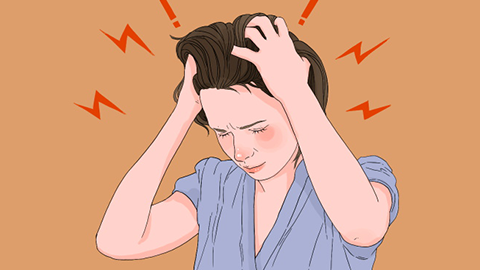
While working, consciously correct poor posture and avoid prolonged abnormal head positions—such as excessive forward flexion (looking down) or hyperextension (looking up). Every 1–2 hours, take a 10-minute break to perform gentle neck exercises, thereby relieving muscular tension and promoting relaxation. When cervical spondylosis compresses nerves, it may lead to dizziness, blurred vision, dry eyes, tinnitus, palpitations, tachycardia, bloating, and indigestion.
Cervical spondylosis is a prevalent condition, often resulting from chronic fatigue or osteophyte formation (bone spurs), and can substantially impair daily functioning. Therefore, preventive measures in everyday life are vital to reduce the risk of developing this condition. If you suspect you have cervical spondylosis, remain calm—early diagnosis and timely treatment significantly improve the likelihood of full recovery. We hope this information proves helpful to you.


