What are the symptoms of cervical spondylosis?
Apr 14, 2022
Source: Cainiu Health

Dr. Lin Yunfei
Introduction
Cervical spondylosis commonly causes neck and back pain, stiffness and numbness in the limbs, weakness, dizziness, nausea, and vomiting. For example, patients with radicular cervical spondylosis initially experience neck pain and stiffness; in severe cases, the upper limbs become heavy and weak, and objects may even be dropped, leading to falls. Patients with myelopathic cervical spondylosis frequently experience numbness in the lower limbs.
With the widespread use of electronic devices today, many people have developed cervical spondylosis, which can adversely affect overall physical health. What symptoms does cervical spondylosis cause?
Symptoms of Cervical Spondylosis
Cervical spondylosis commonly causes neck and upper back pain, stiffness and numbness in the limbs, weakness, dizziness, nausea, and vomiting. For example, patients with radicular-type cervical spondylosis often experience neck pain and stiffness early on; in severe cases, the upper limbs may feel heavy and weak, and objects may even be dropped due to impaired grip strength. Patients with myelopathic-type cervical spondylosis frequently report numbness and heaviness in the lower limbs, along with a sensation of “walking on cotton” when ambulating. Those with sympathetic-type cervical spondylosis may suffer from dizziness, headaches, memory impairment, and difficulty concentrating.
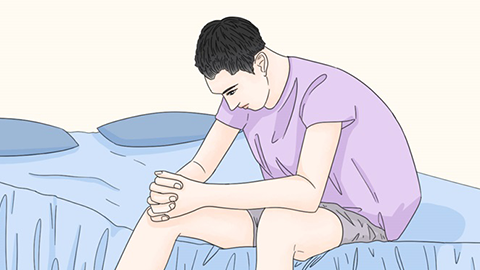
Dizziness is the most common symptom of cervical spondylosis. If this occurs, prompt medical consultation is essential—follow your physician’s instructions carefully, identify the underlying cause, and undergo appropriate pharmacological treatment. Conventional therapies for cervical spondylosis may also be employed. Pay attention to daily self-care: cultivate healthy work habits, and perform regular neck exercises or massages each day. Mechanical cervical traction is another therapeutic option.
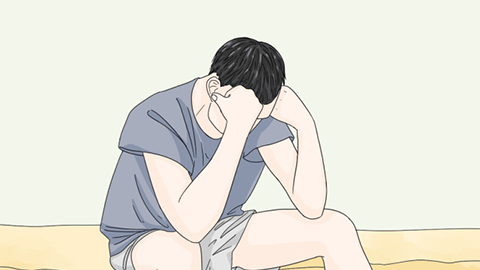
While working, consciously correct poor posture—avoid prolonged abnormal flexion, excessive forward head posture (i.e., “text neck”), or sustained upward gaze. Every 1–2 hours, take a 10-minute break to perform gentle neck exercises, helping to regulate and relax cervical muscle tension. We hope this information proves helpful to you.