


Can individuals with “Big Three Positive” hepatitis B have children?

Most individuals with chronic hepatitis B “Big Three Positive” (i.e., positive for HBsAg, HBeAg, and anti-HBc) can safely have children. Patients with this condition should undergo liver function tests and routine prenatal examinations throughout pregnancy; having a baby is generally not problematic. Can individuals with hepatitis B “Big Three Positive” have children?
Can individuals with hepatitis B “Big Three Positive” have children?
Most individuals with hepatitis B “Big Three Positive” can conceive and deliver healthy babies. If the father is “Big Three Positive,” the risk of transmitting hepatitis B virus (HBV) to the baby is extremely low. If the mother is “Big Three Positive,” she may proceed with a normal pregnancy provided her liver function tests and hepatic ultrasound results are normal. Starting at the 24th week (i.e., sixth month) of gestation, oral tenofovir antiviral therapy may be initiated to suppress viral replication, reduce serum HBV DNA to undetectable levels, and significantly lower the risk of mother-to-child transmission. However, in rare cases where the mother has “Big Three Positive” status accompanied by ultrasound findings suggestive of cirrhosis—especially if ascites or gastrointestinal bleeding is present—pregnancy is generally not recommended.
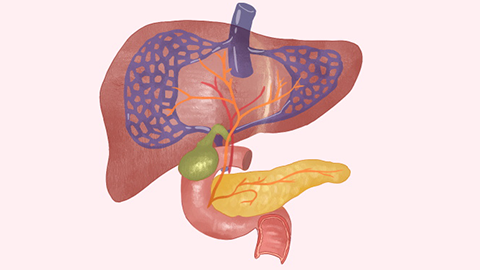
For individuals with hepatitis B “Big Three Positive” who wish to conceive, regular monitoring of liver function is essential. During pregnancy, routine obstetric check-ups should be performed. Between the 24th and 28th weeks of gestation (i.e., sixth to seventh month), consultation with an infectious disease specialist is advised to initiate tenofovir as part of a comprehensive antiviral strategy for preventing mother-to-child transmission. Following delivery, the newborn should promptly receive both hepatitis B vaccine and hepatitis B immune globulin (HBIG) to effectively prevent HBV infection.
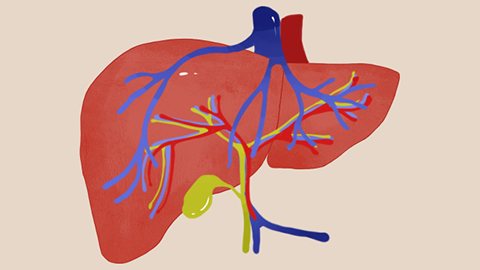
Pregnant women with hepatitis B “Big Three Positive” should pay special attention to diet before conception. Alcohol consumption damages hepatocytes, potentially leading to cell necrosis and degeneration. Processed foods and snacks—including canned goods and bottled beverages—should be limited, as they often contain high levels of preservatives that are hepatotoxic. We hope this information proves helpful!


