


What blood types can individuals with AB blood type receive?

Blood types vary among individuals and include several types, such as AB and B. Which blood types can individuals with AB blood receive?
Which blood types are compatible for AB recipients?
Individuals with AB blood type can only receive AB blood. The fundamental principle of blood transfusion is to administer the same blood type. When agglutinins (antibodies) in the recipient’s serum encounter incompatible antigens on donor red blood cells—or when anti-agglutinin sera mix with corresponding agglutinogens—red blood cells clump together (agglutinate). These clumps can obstruct small blood vessels, impairing circulation. Agglutinated red blood cells are also prone to rupture (hemolysis), releasing large amounts of hemoglobin into the bloodstream. As hemoglobin is filtered through the kidneys, it may precipitate in renal tubules, causing tubular obstruction and subsequent kidney damage—potentially leading to oliguria (reduced urine output) or anuria (absence of urine). This cascade of reactions may manifest as numbness or tingling in the extremities, chills, high fever, chest tightness, shortness of breath, flank or lower back pain, tachycardia, and hypotension. In severe cases, it can be fatal.
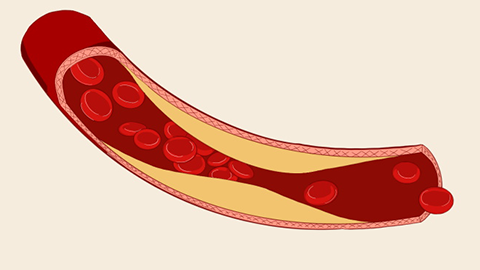
Individuals with AB blood type may exhibit elevated cholesterol levels, increasing blood viscosity and predisposing them to cardiovascular and cerebrovascular diseases. Additionally, the prevalence of hypertension tends to be higher among AB individuals compared to those with other blood types—a phenomenon potentially linked to the absence of anti-A and anti-B agglutinins in AB plasma. Moreover, AB individuals may experience accelerated age-related cognitive decline, particularly memory impairment. Therefore, maintaining adequate sleep and consuming nutrient-dense, high-quality protein foods—such as eggs, milk, walnuts, and lean meats—is recommended.

If both parents have AB blood type, their child may inherit one of three possible blood types: A, B, or AB—but never O. A child’s blood type is genetically determined by parental blood types; knowing both parents’ blood types generally allows prediction of the child’s probable blood group. We hope this information has been helpful.


