


How long does Meilin antipyretic take to work?

Both adults and children with fever require physical cooling measures and antipyretic medications. However, many people are uncertain about how long it takes for antipyretics to take effect after administration. How quickly does Advil (ibuprofen suspension) work?
How quickly does Advil (ibuprofen suspension) work?
Advil typically begins to take effect within approximately 30 minutes, and its antipyretic effect generally lasts about 6 hours. It is generally recommended for use when body temperature exceeds 38.5°C. For fevers below 38.5°C, physical cooling methods—such as tepid sponge baths, cold compresses to the forehead, or soaking in lukewarm water—are preferred. Medications should always be taken under the guidance of a healthcare professional to avoid inappropriate or indiscriminate use, which may adversely affect health or even trigger allergic reactions.
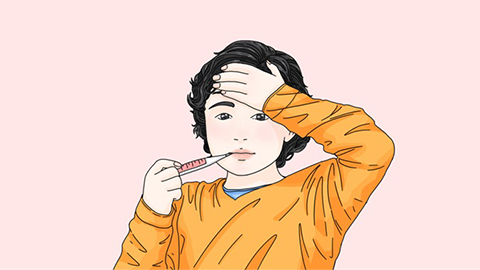
Fever may be accompanied by symptoms such as headache, generalized myalgia, loss of appetite, and sore throat. High-grade fever can lead to dizziness, severe body aches, convulsions, or even altered mental status.
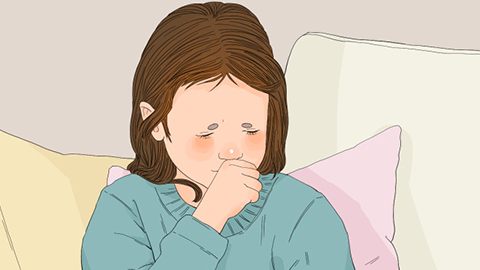
When experiencing fever, remain calm and prioritize adequate rest and sufficient sleep. Regularly ventilate indoor spaces to maintain fresh air. In terms of diet, opt for easily digestible, nutrient-rich foods and ensure adequate vitamin intake. Avoid the indiscriminate use of antibiotics. If high fever persists and is accompanied by symptoms such as coughing or wheezing, promptly consult a pulmonologist for evaluation and management. We hope this information proves helpful.


