


How is chronic antral gastritis treated?

There are numerous treatment options for chronic antral gastritis; however, the specific approach must be tailored to the individual’s condition to ensure optimal and rapid recovery. So, how is chronic antral gastritis treated?
How Is Chronic Antral Gastritis Treated?
Treatment modalities for chronic antral gastritis include surgical intervention, dietary therapy, and pharmacotherapy. When managing chronic gastritis more broadly, dietary management plays a crucial role. Patients should pay close attention to their daily eating habits—ideally consuming meals at regular intervals and avoiding rushed or excessive eating. Spicy, raw, or cold foods should be strictly avoided. In cases of significant postprandial fullness or severe symptoms, a liquid or semi-liquid diet is recommended initially; as the condition improves, patients may gradually transition back to a normal diet—but it must remain light and bland.

Surgical treatment can also yield favorable outcomes for chronic gastritis; however, patients must select a reputable, standardized hospital for surgery to ensure the highest quality of care. In daily clinical practice, several medications demonstrate good efficacy against chronic antral gastritis—for example, atropine, propantheline, and belladonna compound tincture. These should only be taken under the guidance of a physician.
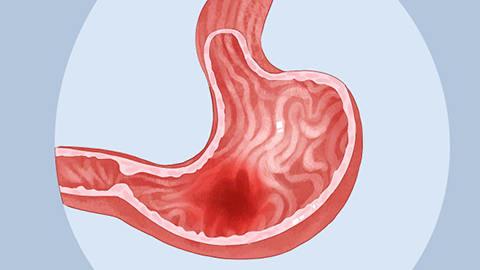
Patients should seek treatment at a formal Grade-A tertiary hospital, where physicians possess extensive clinical experience and can formulate an individualized, evidence-based treatment plan best suited to the patient’s specific condition. We hope this information proves helpful.


