What are the signs of an ectopic pregnancy?
Apr 17, 2022
Source: Cainiu Health

Dr. Luo Li
Introduction
1. Vaginal bleeding: Women experiencing ectopic pregnancy should take this symptom seriously, as vaginal bleeding is a common manifestation of ectopic pregnancy.
2. Abdominal pain: Abdominal pain is the primary symptom associated with ectopic pregnancy in women.
3. Amenorrhea: Women with ectopic pregnancy often experience cessation of menstruation, typically occurring between 6 and 8 weeks after the last menstrual period.
Under normal circumstances, when a woman becomes pregnant, the embryo implants within the uterine cavity—this is termed intrauterine pregnancy. If implantation occurs outside the uterine cavity, it is called an ectopic pregnancy (also known medically as “ectopic gestation”). The most common site for ectopic pregnancy is the fallopian tube; less frequently, it may occur in the ovary, cervix, or other locations. In such cases, the embryo fails to implant in the uterus and instead develops elsewhere—often leading to tubal rupture and life-threatening hemorrhage. So, what are the warning signs of an ectopic pregnancy?
What Are the Warning Signs of an Ectopic Pregnancy?
1. Vaginal Bleeding
Women with an ectopic pregnancy often experience vaginal bleeding. The volume is typically minimal, and the blood appears dark red—a sign that the embryo has died. The amount usually does not exceed normal menstrual flow.
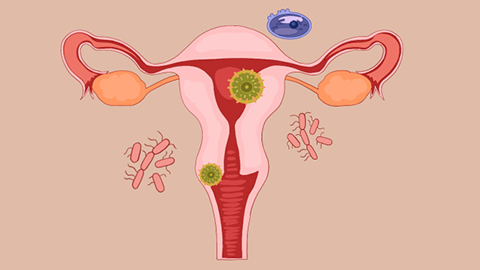
2. Abdominal Pain
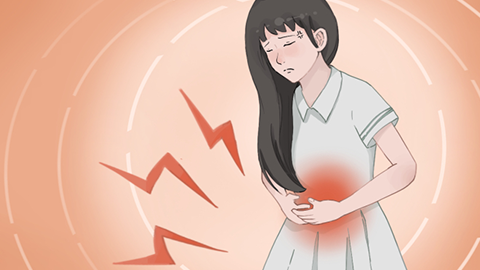
Abdominal pain is a hallmark symptom of ectopic pregnancy. As the ectopic pregnancy progresses, it may cause local tissue rupture and intra-abdominal hemorrhage. This results in noticeable abdominal pain—sometimes severe enough to cause syncope (fainting).
3. Amenorrhea (Missed Period)
Amenorrhea is another common sign of ectopic pregnancy, typically occurring 6–8 weeks after the last menstrual period. In cases of interstitial (cornual) tubal pregnancy, amenorrhea may persist longer. However, a small proportion of patients may not exhibit obvious amenorrhea. If a woman experiences any unusual cessation of menstruation, she should seek immediate medical evaluation—ectopic pregnancy must be strongly suspected.
The above outlines the key warning signs of ectopic pregnancy. We hope this information is helpful to you.