


What examinations are included in the reproductive system assessment?

In daily life, some individuals may neglect personal hygiene, leading to itching in the genital area. What examinations are included in a reproductive system evaluation?
What Examinations Are Included in a Reproductive System Evaluation?
Commonly performed examinations include pelvic ultrasound (to assess the uterus and adnexa), vaginal examination, external genital examination, cervical examination, and evaluation of the ovaries and fallopian tubes. Additional assessments may include ovulation monitoring, endocrine function testing, and immunological testing. In summary, numerous diagnostic tests are available for evaluating the female reproductive system. If you experience fertility-related concerns, do not avoid seeking medical advice—consult a healthcare provider promptly for appropriate evaluation. Based on the findings, targeted treatment can be initiated. Following successful treatment, conception can typically proceed smoothly.
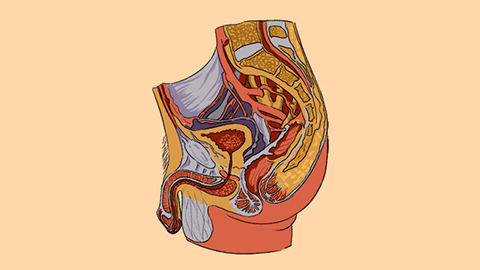
Gynecological disorders encompass a broad range of female reproductive system diseases. These include vaginal conditions such as bacterial vaginosis, candidal (fungal) vaginitis, trichomonal vaginitis, and atrophic vaginitis (common in postmenopausal women). Ovarian disorders include ovarian cysts, premature ovarian insufficiency, polycystic ovary syndrome (PCOS), and ovarian tumors. Cervical abnormalities may involve cervical erosion (now more accurately termed “ectropion”), cervical polyps, or cervical inflammation—and in severe cases, cervical cancer. Other common reproductive system conditions in women include pelvic inflammatory disease (PID) and tubal obstruction.

Maintain proper local hygiene by keeping the genital area clean and dry. Wash daily with warm water and change underwear regularly. We hope this information is helpful to you.


