


What Should Pregnant Women Do About Peeling Skin on the Soles of Their Feet?
When the feet are infected with fungi, symptoms such as itching and peeling of the skin on the soles may occur. For most people, antifungal medications can be used for treatment; however, if a woman experiences similar symptoms during pregnancy, caution is required. So, what should pregnant women do if they experience peeling skin on the soles of their feet? Let’s explore this together.
What to Do If a Pregnant Woman Experiences Peeling Skin on the Soles
1. Maintain Foot Hygiene
Due to the physiological changes and sensitivities associated with pregnancy, medication—especially topical antifungals—should generally be avoided unless specifically prescribed by a healthcare provider. Instead, focus on maintaining good foot hygiene: wash feet daily, wear loose-fitting, breathable cotton socks, and change and wash them daily. Disinfection of socks or footwear may be considered when necessary.
2. Soak Feet Regularly
Pregnant women experiencing sole peeling should soak their feet daily. A warm saline solution helps reduce inflammation and relieve itching. Alternatively, adding kudzu root powder to the soaking water may help control excessive foot perspiration. Ensure the water temperature remains comfortably warm—not hot—to avoid burns, and limit soaking time to prevent overhydration of the skin, which supports effective management of peeling.
3. Dietary Adjustments
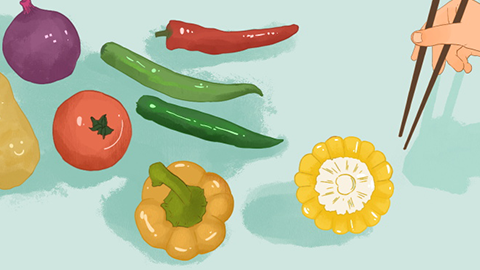
Peeling on the soles during pregnancy may indicate a deficiency in vitamin A. Therefore, it is advisable to increase intake of vitamin A–rich foods, such as tomatoes, cucumbers, bananas, apples, carrots, legumes, leafy green vegetables, and milk. Vitamin A promotes epithelial cell growth, protects the skin, and helps prevent dryness and cracking. Vitamin A supplements may also be considered under medical supervision. Additionally, consuming moderate amounts of healthy fats and carbohydrates can enhance sebaceous gland activity, thereby reducing skin dryness and fissuring. Avoid spicy and pungent foods—including scallions, ginger, garlic, and pepper—as these may exacerbate sweating and worsen sole peeling.

The above outlines practical, non-pharmacological approaches for managing sole peeling in pregnant women. Since underlying causes vary—such as fungal infection, nutritional deficiency, or hormonal changes—appropriate interventions should be tailored accordingly. We hope this information proves helpful.


