


What Is Premenstrual Syndrome?
Today, the number of diseases continues to rise, and female patients are increasingly prone to premenstrual syndrome (PMS), which may manifest as irritability, depression, loss of appetite, and other symptoms. What exactly is premenstrual syndrome?
What Is Premenstrual Syndrome?
Premenstrual syndrome (PMS) is a common condition among women. It is characterized by recurrent, cyclical emotional, behavioral, and physical symptoms that occur during the luteal phase of the menstrual cycle and resolve spontaneously after menstruation begins.
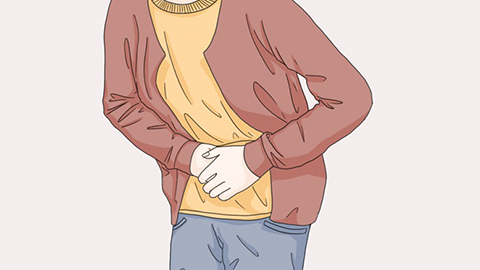
Symptoms of PMS vary widely among women in both type and severity. For instance, affected individuals may experience headache, low back or lumbar pain, abdominal bloating or discomfort. Additional physical manifestations may include breast tenderness, peripheral edema (swelling of the limbs), and noticeable weight gain. Some women develop psychological symptoms—primarily anxiety, depression, emotional lability, and irritability—along with fatigue and sleep disturbances such as insomnia. Behavioral changes may also occur, including difficulty concentrating and reduced work efficiency.

In most cases, women with PMS do not require pharmacological treatment; lifestyle modifications and daily self-care often yield satisfactory results. Learning to manage psychological stressors and maintaining a relaxed, cheerful, and optimistic mindset can help reduce symptom occurrence. When feeling particularly irritable, listening to soothing music may help alleviate tension and anxiety. Regarding diet, it is advisable to avoid excessive intake of sweet or spicy foods; instead, consuming blood-nourishing foods such as Chinese dates (jujubes) may aid in symptom relief. We hope this information proves helpful to you.


