


What Causes Newborns to Stay Awake?

Some newborns exhibit insomnia in daily life, leaving new mothers feeling extremely fatigued and anxious. What causes newborns to have difficulty sleeping?
What Causes Newborns to Have Difficulty Sleeping?
There are numerous reasons why a baby may struggle to fall or stay asleep—such as hot weather, an overly warm sleep environment, irritability, hunger or overfeeding, dehydration following breastfeeding, infrequent diaper changes causing discomfort, umbilical cord pain, calcium deficiency, or being startled during the day. If a baby has trouble sleeping at night, mothers can help establish healthy sleep habits to gradually reduce nighttime crying and daytime napping. Avoid overfeeding during the day so that the baby does not wake up frequently due to hunger.
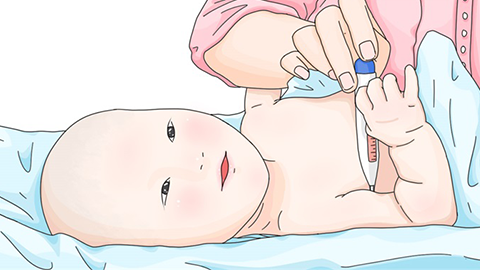
Calcium deficiency: Infants with insufficient calcium levels may also become fussy and cry excessively. Parents can have their baby tested for trace elements. If calcium deficiency is confirmed, appropriate calcium supplementation should be initiated under medical guidance. Additionally, exposing the baby to moderate sunlight regularly can help prevent calcium deficiency.

After birth, proper care of the newborn is paramount. A newborn’s constitution is relatively fragile. First, ensure the room temperature and humidity are comfortable—neither too high nor too low. Offer small amounts of lukewarm boiled water as appropriate, feed the baby regularly (approximately every two hours), and monitor bowel movements for normalcy. We hope this information proves helpful.


