


What are the potential complications of nasal bridge augmentation?

Many individuals seeking aesthetic enhancement opt for nasal bridge augmentation. However, they often worry about potential complications arising from the procedure. So, what complications can nasal bridge augmentation cause?
What Complications Can Nasal Bridge Augmentation Cause?
Possible complications of nasal bridge augmentation include nasal surface irregularities (e.g., bumps or depressions), infection, and erythema (redness). These complications may result from inadequate surgical expertise—specifically, when the chosen surgeon lacks sufficient professional training or experience. Additionally, the surgery may lead to temporary numbness and local stiffness of the nasal bridge, as well as postoperative pain, bleeding, and localized infection, all of which can cause discomfort. Other potential complications include implant displacement, implant perforation, hematoma formation, nerve injury, and implant rejection. All such complications are typically attributable to surgical errors or technical mishandling; therefore, individuals pursuing this procedure must select a surgeon with extensive clinical experience.
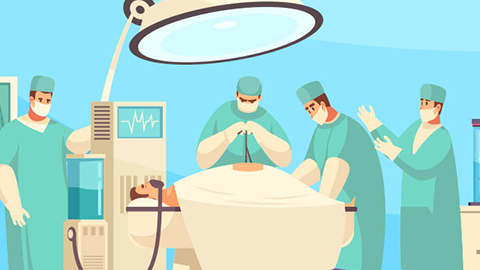
Numerous techniques exist for nasal bridge augmentation. However, if patients choose high-quality implant materials, undergo the procedure at a reputable local hospital, and entrust the surgery to a skilled and experienced surgeon, the likelihood of complications is significantly reduced—and most risks can thus be avoided.
Complications following nasal bridge augmentation can substantially affect facial appearance and function; hence, they must never be taken lightly. Patients should regularly monitor their physical condition and seek prompt medical attention should any adverse symptoms arise. We hope this information has been helpful to you.


