


Can a woman who has had a cesarean delivery have a second child?
Cesarean delivery is a surgical procedure involving incisions in the mother’s abdomen and uterus to deliver a baby. So, can a woman deliver two children via cesarean section?
Can a woman have a second child after cesarean delivery?
After cesarean delivery, it is recommended to wait at least two years before attempting another pregnancy and delivery. This is because the uterine incision may not heal adequately during the early postpartum period; the resulting scar tissue tends to be rigid, with poor elasticity and tensile strength. Consequently, the incision lacks flexibility, increasing the risk of scar dehiscence (separation) or uterine rupture during late pregnancy or labor—potentially leading to life-threatening complications such as massive hemorrhage or even maternal death. To optimize healing of the uterine incision, it is advisable to delay conception until at least two years after the first cesarean delivery. This interval allows for improved maturation and strengthening of the scar tissue, thereby reducing risks associated with subsequent pregnancies.
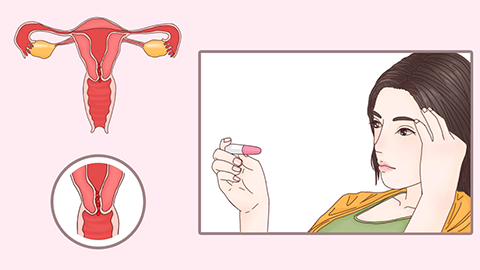
After cesarean delivery, patients should mobilize as soon as possible and begin oral intake once bowel function resumes. Effective contraception must be practiced for at least two years following cesarean delivery. Pregnant women should maintain a balanced diet—predominantly light, high-protein, and easily digestible (e.g., liquid or semi-liquid) foods—and strive to remain emotionally stable. Personal hygiene must also be strictly observed. Postpartum vaginal bleeding may last longer than after vaginal delivery, and due to general physical weakness, new mothers are more susceptible to puerperal infection; therefore, meticulous attention to personal hygiene is essential.
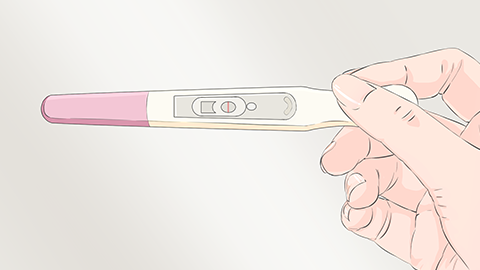
Women who experienced delayed wound healing after their initial cesarean delivery may develop fever and exhibit impaired incisional healing. Such individuals face a significantly higher risk of uterine rupture during a subsequent pregnancy and require close clinical vigilance. Should any discomfort or incisional pain arise, patients should promptly seek medical evaluation. Under close clinical monitoring, gestational age may be appropriately extended. If labor contractions occur near the estimated due date, elective repeat cesarean delivery should be performed without delay. We hope this information has been helpful. Wishing you a joyful life and optimal health!


