What should I do about excessive dandruff?
Apr 18, 2022
Source: Cainiu Health

Dr. Gan Liqiang
Introduction
Maintain scalp hygiene by washing your hair weekly with warm water; if necessary, increase frequency to every 3–4 days. You may use sulfur-containing medicated soap or shampoo. Additionally, wash your hair with a *Cnidium monnieri* (She Chuang Zi) herbal solution: prepare by adding 150 mL of *Cnidium monnieri* to 1 kg of warm water and stirring thoroughly. Use this solution to wash your hair once daily—it helps prevent hair loss and reduces split ends.
Dandruff is a natural byproduct of scalp skin cell turnover. When dandruff becomes excessive, preventive treatment can be approached from the following aspects:
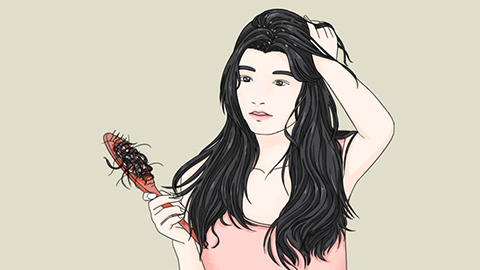
What to do when dandruff is excessive
1. Maintain good scalp hygiene: Wash your hair weekly with warm water; if necessary, increase frequency to every 3–4 days. Use sulfur-containing medicated soap or anti-dandruff shampoo. Additionally, rinsing hair with an herbal decoction may help: prepare by adding 150 mL of Zhen Cao (a traditional Chinese herb) to 1 kg of warm water and stirring thoroughly. Rinse your hair daily with this solution to reduce dandruff, relieve itching, prevent hair loss, and minimize split ends.
2. Brush your hair regularly—2–3 times daily, preferably in the morning and evening. Brushing stimulates scalp blood circulation and enhances nutrient delivery to hair follicles, thereby promoting healthy hair growth and reducing keratinization of epidermal cells. While frequent washing is unnecessary—and may irritate the scalp—washing every 3–5 days is generally sufficient. Avoid scratching the scalp vigorously with fingernails during washing, as damage to the scalp’s protective barrier can exacerbate dandruff formation.
3. Quit smoking, limit alcohol consumption, and avoid spicy, greasy foods. Refrain from aggressively scratching or using sharp objects to relieve itching. When needed, pharmacological treatment may be considered. Excessive dandruff is often associated with vitamin B deficiency.
4. Traditional Chinese Medicine (TCM) commonly attributes dandruff to “damp-heat” in the Lung and Stomach meridians. Herbal decoctions are prescribed to regulate endocrine function, reduce sebum production, and lower androgen levels.
It is recommended to seek timely medical evaluation at a hospital and undergo treatment under professional physician guidance.