


Can chronic hepatitis C be cured?

Hepatitis is a relatively common condition in today’s society, with several distinct types. Can chronic hepatitis C be cured?
Can Chronic Hepatitis C Be Cured?
Yes, chronic hepatitis C can be cured. Chronic hepatitis C refers to persistent liver injury caused by chronic infection with the hepatitis C virus (HCV), which may progress from chronic hepatitis to hepatic fibrosis, cirrhosis, and even hepatocellular carcinoma. Therefore, patients with chronic hepatitis C require prompt and active antiviral therapy—treatment outcomes are generally excellent.
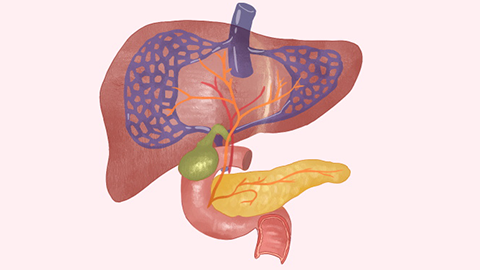
Two main classes of drugs are used to treat chronic hepatitis C: First, direct-acting antiviral (DAA) agents—small-molecule drugs—which represent the most commonly used and highly effective treatment for hepatitis C. DAA regimens typically last about three months and achieve cure rates exceeding 90%. Second, interferon combined with ribavirin—a regimen associated with lower efficacy (approximately 50–60%) and more pronounced side effects—hence its current limited clinical use.

Chronic hepatitis C is a very common liver disease encountered in clinical practice. Early-stage symptoms are often nonspecific or absent, so patients may feel no discomfort. However, the disease progresses insidiously over time and may remain undetected until late-stage cirrhosis manifests with complications such as ascites, gastrointestinal bleeding, hepatic encephalopathy, or even hepatocellular carcinoma. Thus, individuals with high-risk factors—including a history of intravenous drug use or close contact with someone diagnosed with hepatitis C—should undergo early HCV screening. Diagnosis and assessment of hepatitis C must not rely solely on symptoms. We hope this information has been helpful!


