


What are the symptoms of gastric neurosis?

Gastric neurosis significantly impacts people’s daily lives. What symptoms does gastric neurosis present?
Symptoms of Gastric Neurosis
The primary symptoms of gastric neurosis include acid reflux, loss of appetite, nausea, vomiting, belching, heartburn, upper abdominal fullness and pain. In some cases, patients may also experience irregular bowel movements, constipation, or alternating diarrhea.

Gastric neurosis is primarily a syndrome triggered by recent emotional stress, anxiety, or tension. If patients exhibit symptoms such as dyspepsia, belching, or acid reflux, oral prokinetic agents—such as cisapride, metoclopramide tablets, or domperidone—may be recommended. For patients with excessive gastric acid secretion, proton pump inhibitors like omeprazole may be prescribed to suppress acid production.
Gastric neurosis is a functional disorder characterized by disturbances in gastrointestinal motility and secretion without any underlying organic pathology. It is also referred to as “gastric neurosis.” Often co-occurring with intestinal neurosis, it is collectively termed “gastrointestinal neurosis.” This condition has a relatively high prevalence, predominantly affecting young and middle-aged adults, with females being more commonly affected.
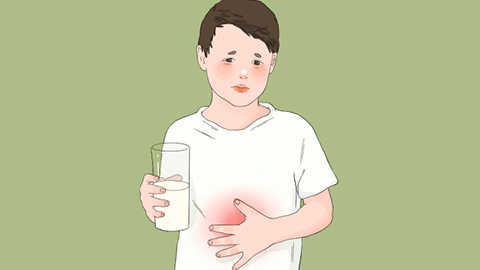
In daily life, patients are encouraged to engage in moderate physical labor and work; maintain regular routines; participate regularly in appropriate recreational activities; consume low-residue, easily digestible foods; and avoid spicy foods and strongly flavored seasonings. The above medications are for reference only; specific use should always be guided by a physician.
We hope this article has been helpful to you. Wishing you good health!


