


Symptoms of Henoch-Schönlein Purpura

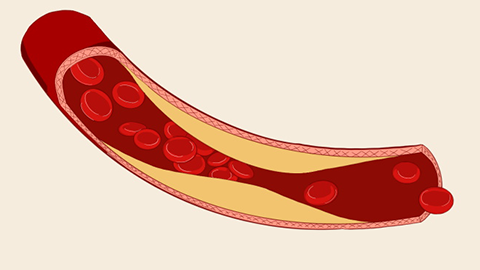
Henoch-Schönlein purpura (HSP) is a hemorrhagic vasculitis—a type of blood vessel inflammation—also commonly referred to simply as “vasculitis.” HSP poses serious risks to patients’ hematological health. Its symptoms are typically prominent and readily detectable, enabling early recognition. So, what are the characteristic symptoms of HSP? Let’s explore them below.
Symptoms of Henoch-Schönlein Purpura
1. Cutaneous Symptoms
The hallmark manifestation of HSP is a distinctive skin rash: reddish-brown, raised papules or purpuric lesions that do not blanch upon pressure. Lesions may coalesce. The rash is often accompanied by pruritus or tenderness and predominantly appears on the extensor surfaces of the limbs and buttocks. After resolution, residual hyperpigmentation may remain on the skin.
2. Articular Symptoms
Joint involvement is common in HSP. Patients may experience mild joint pain, along with overt signs of inflammation—including erythema, swelling, tenderness, and restricted mobility. Large joints are most frequently affected, especially the knees, ankles, elbows, and wrists.
3. Gastrointestinal Symptoms
Gastrointestinal manifestations include colicky abdominal pain—most pronounced around the umbilicus and in the right lower quadrant—often accompanied by nausea, vomiting, diarrhea, and melena. In severe cases, HSP may precipitate intussusception.
4. Renal Symptoms
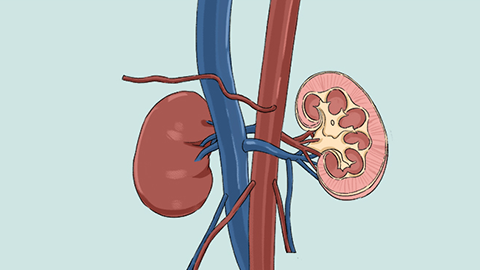
Without timely intervention, HSP can progress to nephritis—typically developing 1–8 weeks after onset of the skin rash. Clinical features resemble those of acute glomerulonephritis and may include hematuria, proteinuria, cellular casts in the urine, edema, and hypertension. These renal complications occur in a minority of cases.
The above outlines the principal clinical manifestations of Henoch-Schönlein purpura. Individuals diagnosed with HSP should seek prompt medical evaluation and treatment. Daily management includes maintaining a light, easily digestible diet and ensuring adequate rest. We hope this information proves helpful to you.


