


What Are the Causes of a Newborn Not Sleeping?

Becoming a mother for the first time brings exceptional joy to women; however, when newborns experience physical discomfort, it often leaves mothers feeling unusually irritable. Why won’t a newborn sleep?
Why Won’t a Newborn Sleep?
A newborn’s inability to sleep may stem from several causes: first, overfeeding or hunger; second, nervous system hyperexcitability resulting from deficiencies in trace elements. Additionally, an excessively noisy sleeping environment can disrupt the baby’s sleep. Similarly, overly bright lighting in the room may also prevent the baby from falling asleep.

You can help your baby develop the habit of sleeping independently during daytime naps: establish a consistent bedtime routine. During the half-hour before sleep, gently calm your baby and place him quietly in his crib. Avoid rocking or patting him to sleep—this helps prevent dependency on being held while falling asleep. Parents may softly sing lullabies to create a relaxed and pleasant atmosphere that encourages natural sleep onset.
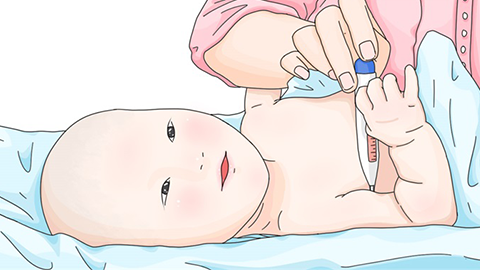
After birth, the following points require special attention for newborn care: - Maintain appropriate warmth to prevent chilling. - Dress the baby in soft, comfortable clothing—avoid garments that are too tight, as they may cause skin irritation or chilling. - Breastfeeding is the preferred feeding method. If bottle-feeding with formula, ensure regular cleaning and sterilization of bottles and nipples (e.g., boiling nipples periodically). - Change diapers promptly after bowel movements to prevent diaper rash or redness (“diaper dermatitis”). - Regularly moisturize the baby’s skin and gently cleanse the face. We hope this information proves helpful to you.


