


Can acarbose tablets be taken after meals?

Acarbose tablets—commonly referred to as “Abo sugar tablets”—are generally not recommended for administration after meals.
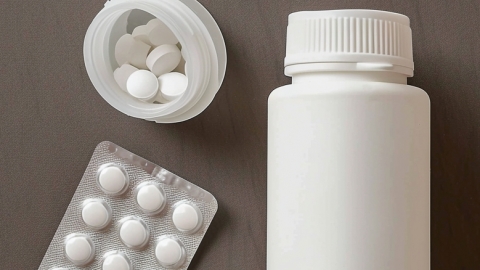
Acarbose is an alpha-glucosidase inhibitor that primarily suppresses the activity of amylase enzymes in the mouth and small intestine, thereby reducing postprandial blood glucose levels. Clinically, acarbose tablets are typically taken immediately before meals to allow sufficient time for the drug to bind with amylase prior to food intake—ensuring optimal therapeutic efficacy. Most acarbose tablets are chewable; chewing them together with the first bite of a meal enhances drug absorption and utilization, helps maintain effective plasma drug concentrations, and maximizes glycemic control.
Administering acarbose after a meal may compromise its effectiveness: by the time the drug takes effect, some carbohydrates may already have been digested and absorbed, thereby diminishing its ability to inhibit carbohydrate digestion and absorption during the critical postprandial phase. This can impair control of postprandial hyperglycemia. However, if a dose is inadvertently missed before a meal and remembered only afterward, it may still be taken as a “catch-up” dose—but this may result in slightly less stable glycemic control.
Consistent, long-term adherence to prescribed dosing regimens is essential for maintaining stable blood glucose levels. In addition, individuals with diabetes should follow a low-sugar diet and engage in regular physical activity, both of which contribute significantly to optimal glycemic management.


