


Why do newborns burp after feeding?

Some newborns experience hiccups shortly after feeding, which can be quite distressing for first-time mothers. So, what causes hiccups in newborns after feeding?
What Causes Hiccups in Newborns After Feeding?
Hiccups in newborns following feeding are primarily caused by swallowing air during feeding. They are also more commonly triggered by abdominal coldness. If hiccups persist, clinicians often recommend encouraging the baby to laugh or cry—this usually stops the hiccups quickly. In daily care, it is generally not advisable to hold and pat the baby or change their position, as these methods tend to be ineffective.
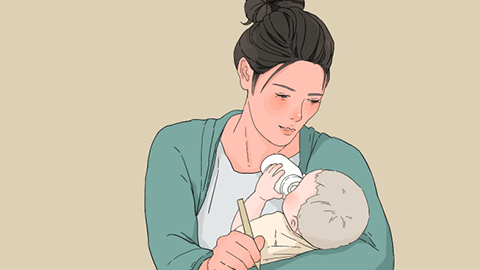
Hiccups in newborns are a normal physiological phenomenon and typically resolve spontaneously as the infant grows older; therefore, parents need not be overly concerned. To help prevent hiccups, appropriate warming measures should be taken—for example, keeping the baby warm during feeding, bathing, or diaper changes—to avoid diaphragmatic spasms induced by abdominal or buttock chilling. Parents may also offer the baby warm water, warm milk, or breast milk, as the act of swallowing itself can help alleviate hiccups.

The following measures may help relieve hiccups after feeding: You can help your baby burp. Hold the baby upright and gently pat their back with a cupped hand to facilitate smoother burping. In some cases, hiccups occur because the baby feeds too rapidly and swallows excessive air. Once this trapped air is expelled through burping, the hiccups usually cease.
We hope this information is helpful!


