


How does a peritoneal hernia form?

Abdominal wall hernias are very common in daily life. Based on their etiology and anatomical location, abdominal wall hernias are classified into several types. Those occurring without prior surgical intervention are categorized—according to their anatomical site—as umbilical hernias and linea alba hernias. Hernias resulting from poor healing of surgical incisions are termed incisional hernias or parastomal hernias. So, how do peritoneal hernias form? Let’s explore this together.
How Do Peritoneal Hernias Form?
Peritoneal hernias arise from two primary causes: congenital and acquired. Congenitally, they result from embryonic intestinal rotation, which creates peritoneal recesses (hidden pockets) that predispose to herniation. Acquired peritoneal hernias develop due to traumatic or iatrogenic defects—such as inadvertent openings in the peritoneum created during surgery. Examples include colorectal surgery, colostomy procedures, and hysterectomy, where failure to adequately suture and close the defect between the stoma bowel and lateral peritoneum—or incomplete closure of the pelvic peritoneum—may occur. Poor wound healing at the surgical incision site and consequent reduction in abdominal wall strength can also lead to peritoneal hernia formation.

Peritoneal hernias—also known as peritoneal recess hernias—are a type of internal hernia. They occur when intra-abdominal viscera protrude through a sac formed by folds or abnormal openings in the visceral peritoneum. These hernias commonly occur adjacent to the duodenum, cecum, or sigmoid colon, within peritoneal folds or recesses; the herniated content is typically a segment of small intestine. Regardless of etiology, surgical repair remains the most effective treatment for peritoneal hernias, with relatively low postoperative recurrence rates. After surgery, patients should avoid spicy and irritating foods and instead consume protein-rich foods. Smoking and alcohol consumption must be avoided, as well as fatty, fried, moldy, or pickled foods, to minimize the risk of recurrence.
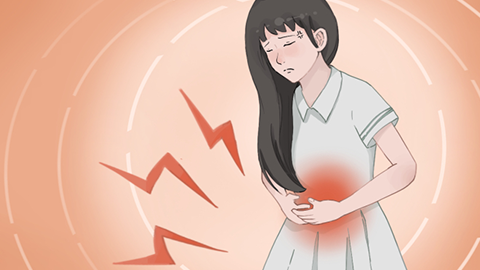
The above explains how peritoneal hernias form. Abdominal wall hernias pose significant health risks; therefore, prevention is essential in daily life. Women should avoid obesity and multiple pregnancies and take care to protect liver health. Excessive intake of sweets should also be avoided, as high sugar consumption elevates blood glucose levels, impairing wound healing after surgery and thereby increasing the risk of incisional hernia. We hope this information has been helpful.


