


How to Treat Acne on the Chin

Acne on the chin is commonly seen in women and is associated with endocrine imbalance—specifically, elevated androgen levels and reduced estrogen levels. Patients often consume excessive amounts of meat, have slow metabolism, and struggle to eliminate toxins efficiently, leading to clogged pores and acne development. So, how should chin acne be treated?
How Should Chin Acne Be Treated?
Chin acne typically presents as inflammatory papules (pimples) and comedones (blackheads or whiteheads). Topical retinoids (e.g., tretinoin), adapalene, or benzoyl peroxide are recommended as first-line treatments. For nodular or cystic acne, oral tetracyclines—such as minocycline or doxycycline—or oral isotretinoin may be prescribed, followed by adjunctive topical therapy. In cases of inflammatory papules or pustules, topical clindamycin gel, clindamycin solution, or fusidic acid ointment may be used. Prolonged monotherapy with topical antibiotics is discouraged, as it increases the risk of bacterial resistance. Regardless of the chosen treatment, patients must strictly adhere to medical instructions—never self-adjust dosage or duration of therapy.

In addition, chin acne can be managed through general measures, phototherapy, and adjunctive therapies. Daily skincare should emphasize gentle cleansing using medical-grade cleansers or moisturizing, oil-control products. While cleansing, certain ingredients help maintain skin barrier integrity. Avoid scratching or picking at lesions after squeezing.
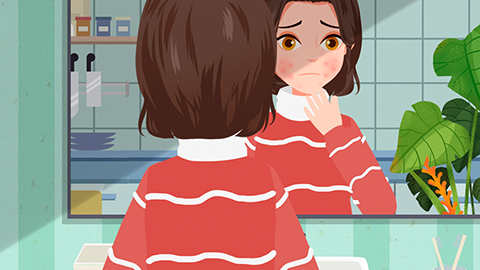
Generally, chin acne reflects suboptimal digestive function. To support improvement, avoid spicy and irritating foods; chew food thoroughly and slowly; favor light, easily digestible meals; drink ample water; and engage in regular physical activity. Maintaining consistent sleep-wake cycles, ensuring adequate rest, and cultivating a positive mood all contribute to endocrine regulation and overall acne improvement. We hope this information proves helpful. Wishing you good health and happiness!


