


What Are the Methods of Health-Preserving Dietary Therapy?
There are numerous methods of health-promoting dietary therapy in our daily lives. Such dietary therapy can help improve bodily functions and enhance immunity, serving as an effective approach to achieving health and aiding disease recovery. What are the specific methods of health-promoting dietary therapy?
What Are the Methods of Health-Promoting Dietary Therapy?
Individuals with weak constitutions should consume more nourishing foods, such as sesame seeds, ginger, and scallions. They should also regularly eat easily digestible foods—for example, millet-red bean porridge or jujube (red date) porridge. Many other lifestyle practices also support health maintenance, including cupping therapy, foot soaking, and drinking herbal teas.
In daily life, one may increase intake of whole grains—such as millet, sorghum, cornmeal, lentils, and red beans—which are rich in dietary fiber and help lubricate the intestines, promote regular bowel movements, and assist the body in detoxification. Carrots aid in eliminating metabolic waste from the body, while broccoli possesses antioxidant properties that may slow down female aging. Bitter melon, winter melon, and watermelon have heat-clearing and summer-heat-relieving effects, nourish the blood, regulate Qi flow, and tonify the kidneys and spleen. These foods are recommended for moderate consumption.
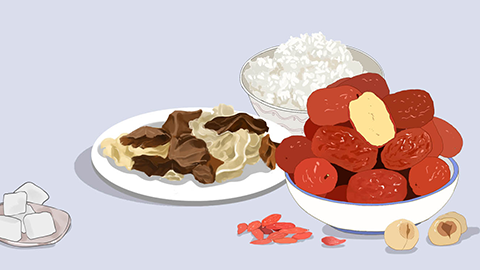
Dietary therapy utilizes food to achieve therapeutic, health-maintaining, and preventive health objectives. When selecting foods, one should follow the principle of “treating according to pattern identification” (i.e., matching food properties to individual constitutional or pathological patterns), adopt personalized dietary plans, and—when necessary—seek guidance from qualified Traditional Chinese Medicine (TCM) practitioners or registered nutritionists.

Human diets must be balanced; selective or biased eating habits may lead to nutritional imbalances. It is advisable to limit intake of greasy, raw/cold, and spicy foods. Excessive consumption of greasy foods may generate damp-heat in the spleen and stomach; overconsumption of raw/cold foods may cause internal coldness, leading to cold-type stomach or systemic cold constitution; and excessive intake of spicy foods may damage stomach Yin. We hope this information proves helpful to you!


