Inflammatory Manifestations of the Male Genitalia
Apr 20, 2022
Source: Cainiu Health

Dr. Wang Jianlong
Introduction
In the early stage of male genital inflammation, patients typically experience itching or mild pruritus; as the condition progresses, the itching becomes increasingly severe and intolerable. Common signs of genital inflammation also include erythema and swelling—such as redness and swelling of the urethral meatus, glans penis, or prepuce. Additional urinary symptoms may include urinary frequency, urgency, dysuria, a narrowed urinary stream, intermittent interruption of urination, and a sensation of incomplete bladder emptying.
Due to their anatomical structure, human genital organs are relatively delicate and sensitive. Poor hygiene or infection by bacteria, viruses, or parasites can lead to genitourinary diseases, causing a range of physical discomforts—and in severe cases, impairing normal fertility. So, what are the manifestations of male genital inflammation?
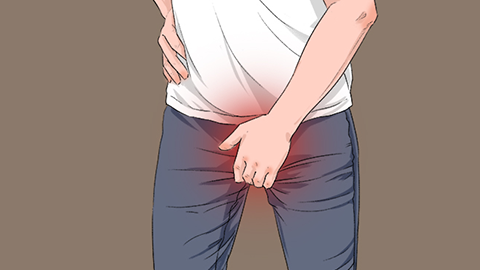
Manifestations of Male Genital Inflammation
In the early stage, male genital inflammation typically presents as mild pruritus or itching; as the condition progresses, the itching may become intolerable. Common signs also include erythema and swelling—such as redness and swelling at the urethral meatus, glans penis, or foreskin. Additional urinary symptoms may include urinary frequency, urgency, dysuria, narrowing of the urinary stream, intermittent interruption of urination, and a persistent sensation of incomplete bladder emptying. Skin lesions may also appear on the genital area, including maculopapular rashes, small pustules, and even flat, papillomatous, cauliflower-like, or cockscomb-shaped warts.
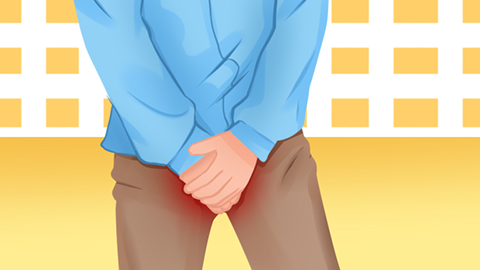
Treatment for male genital inflammation begins with identifying the underlying cause and administering targeted local antimicrobial therapy. For bacterial infections, topical application of Mupirocin ointment (e.g., Bactroban®) or Erythromycin ointment—applied sparingly three times daily—is recommended. For fungal infections, topical Miconazole ointment applied sparingly three times daily is appropriate. For trichomoniasis, local irrigation with Metronidazole solution is advised. In severe cases involving localized abscess formation, ulceration, or failure of oral or topical therapy, intravenous administration of Cefuroxime sodium is recommended.
The above outlines the clinical manifestations and management principles of male genital inflammation. We hope this information is helpful to you.