


What should I do if my cough persists after a cold?
Apr 20, 2022
Source: Cainiu Health

Dr. Guo Xiheng
Introduction
The common cold is also commonly referred to as an upper respiratory tract infection (URTI). If cough persists after a cold, it may indicate ongoing URTI that could progress to a lower respiratory tract infection (LRTI), leading to bronchitis or pneumonia. First, a chest X-ray or chest CT scan should be performed to establish a definitive diagnosis. If bronchitis or pneumonia is confirmed, hospitalization or intravenous antimicrobial therapy may be required.
The common cold is a familiar illness, yet many people experience persistent or recurrent coughing following a cold. What should you do if the cough lingers long after the cold has resolved?
What to Do If Cough Persists After a Cold
The common cold is typically referred to as an upper respiratory tract infection (URTI). If coughing persists after a cold, it may indicate that the URTI has progressed to a lower respiratory tract infection (LRTI), potentially leading to bronchitis or pneumonia. First, a chest X-ray or chest CT scan should be performed to confirm the diagnosis. If bronchitis or pneumonia is confirmed, hospitalization or intravenous antibiotic therapy may be required. A persistent, severe cough often suggests a bacterial infection. Bronchitis or pneumonia can be treated with antibiotics such as ceftriaxone or cefoperazone. In children, inhaled budesonide and terbutaline via nebulization may help alleviate cough symptoms.
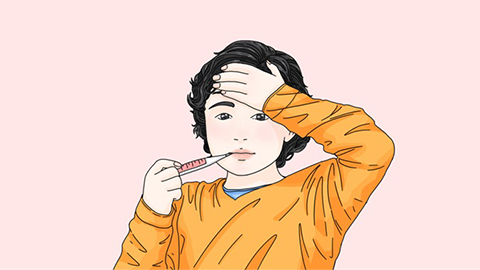
There are numerous potential causes of post-cold cough. For example, children may develop bacterial or viral infections following a cold; coughing may also result from food allergies triggered by dietary intake. Additionally, fluctuations in ambient temperature may contribute. Encourage children to drink plenty of warm water to maintain adequate hydration.
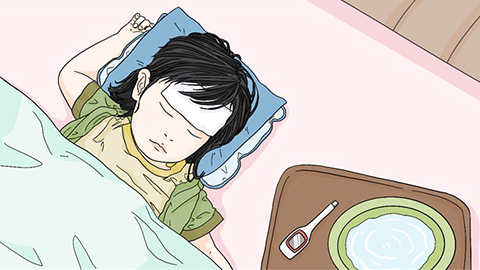
Minimize exposure to irritating odors in the home environment—avoid smoking indoors entirely. If someone in the household has a cold, limit the child’s contact with them. When children go outdoors, ensure they are adequately dressed for warmth and consider having them wear a mask to reduce inhalation of airborne dust particles, which could exacerbate their condition. We hope this information proves helpful.





