


What vaccine is the polio oral vaccine (sugar-coated tablet)?

Many children receive the oral polio vaccine (OPV) — commonly known as the “polio sugar cube” — during early childhood, yet few understand its purpose. What exactly is the polio sugar cube vaccine?
What Is the Polio Sugar Cube Vaccine?
The polio sugar cube is an oral, live-attenuated poliovirus vaccine, abbreviated as OPV. It resembles a soft milk candy and has a distinct milky aroma. The sugar cube is manufactured by mixing liquid vaccine with excipients such as powdered milk, butterfat, and glucose, then rolling and compressing the mixture into solid sugar tablets. This vaccine has been used in China for many years and is included in the National Immunization Program; it is provided free of charge by the government.

The oral sugar cube vaccine is a live-attenuated vaccine, made from live but significantly weakened polioviruses. In contrast, the injectable polio vaccine (IPV) is an inactivated vaccine, produced using killed viruses. Advanced inactivation techniques completely eliminate viral infectivity while preserving antigenicity, offering excellent safety and eliminating the risk of vaccine-associated paralytic poliomyelitis (VAPP) entirely. Currently, IPV is classified as a Category II vaccine in China, meaning it is optional and requires out-of-pocket payment. Infants receive one dose at 2, 3, 4, and 18 months of age.
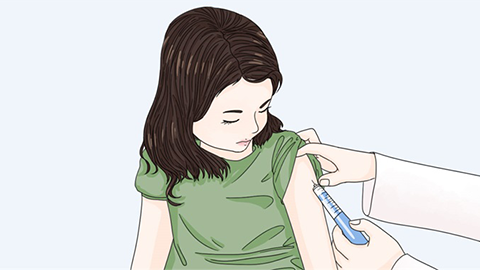
To effectively prevent poliomyelitis, children should receive scheduled doses of the oral polio vaccine at designated healthcare facilities. We hope this information is helpful to you.


