


Can the five-item liver function test detect hepatitis B?

Liver disease is not unfamiliar to most people; however, accurate understanding of this condition is essential to achieve optimal therapeutic outcomes. Can the “five liver function tests” detect hepatitis B?
Can the “five liver function tests” detect hepatitis B?
The “five liver function tests” cannot detect hepatitis B. Currently, depending on the specific panel offered by local medical institutions, the “hepatitis B two-and-a-half panel” (i.e., hepatitis B serological markers) is generally not included in routine liver function testing. Such panels typically assess total bilirubin, albumin, globulin, alanine aminotransferase (ALT), and aspartate aminotransferase (AST), but do not include the hepatitis B serological markers. Hepatitis B diagnosis requires the “two-and-a-half panel” test, which includes hepatitis B surface antigen (HBsAg), hepatitis B surface antibody (anti-HBs), hepatitis B e-antigen (HBeAg), hepatitis B e-antibody (anti-HBe), and hepatitis B core antibody (anti-HBc). A positive result for items 1, 3, and 5 (i.e., HBsAg, HBeAg, and anti-HBc) is termed “major triad positivity” (‘Big Three Positive’); positivity for items 1, 4, and 5 (HBsAg, anti-HBe, and anti-HBc) is termed “minor triad positivity” (‘Little Three Positive’); and positivity for items 1 and 5 (HBsAg and anti-HBc) is termed “minor dual positivity” (‘Little Two Positive’). All these patterns indicate hepatitis B virus infection.
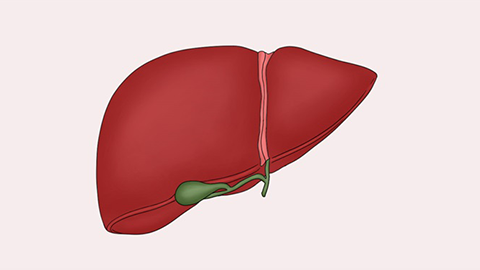
If hepatitis B surface antigen (HBsAg) remains positive for more than six months, it indicates chronic hepatitis B virus infection. Further evaluation is then required—including assessment of liver function, liver ultrasound, liver stiffness measurement (e.g., transient elastography), hepatitis B virus DNA quantification, and alpha-fetoprotein (AFP) testing—to determine whether disease progression has occurred, whether treatment is indicated, and whether complications such as cirrhosis or hepatocellular carcinoma have developed. Based on these findings, an appropriate treatment plan can be formulated.
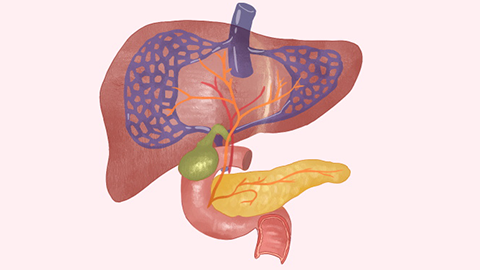
Hepatitis B treatment generally involves oral medications to lower elevated transaminase levels and antiviral agents to alleviate symptoms. Hepatitis B is a relatively common and highly contagious disease. To prevent hepatitis B virus infection, timely vaccination with the hepatitis B vaccine is strongly recommended. We hope this information is helpful to you.


