


What Causes Micturition Syncope?

Micturition syncope predominantly occurs in males aged 16 to 45, though it may occasionally affect elderly individuals. Due to the sudden onset of unconsciousness, it can lead to traumatic injury and even endanger life. What causes micturition syncope?
What Causes Micturition Syncope?
Micturition syncope results from autonomic vascular dysregulation. During urination, transient hypotension triggers impaired vasoconstriction and vasodilation, reducing effective cerebral perfusion and causing cerebral hypoxia—leading to transient loss of consciousness. This condition is primarily a reflex-mediated syncope.
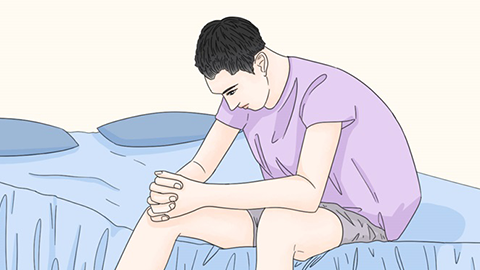
Contributing factors include elevated nocturnal vagal tone, bradycardia, abrupt postural changes, pooling of blood in the lower extremities, and excessive urinary output—resulting in a rapid drop in intra-abdominal pressure following bladder emptying. Increased secretion of vasodilatory substances further reduces venous return, exacerbating cerebral hypoperfusion. Most patients experience sudden syncope while standing to urinate; symptoms may improve if they adopt a seated position for urination. In severe cases, neuromodulatory medications—such as oral oryzanol—may be prescribed.
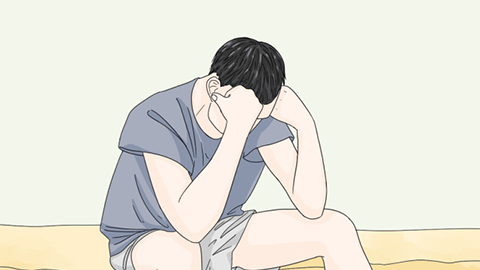
Additionally, underlying causes should be addressed, and patients should be advised to engage in appropriate physical activity to enhance vascular elasticity. Urinary retention should be avoided, as micturition syncope is typically not associated with organic pathology upon evaluation. Prevention hinges on avoiding urinary retention—and thus preventing the associated large-volume voiding that predisposes to this condition. We hope this information is helpful to you.


