What are the symptoms of a bed bug bite?
Apr 21, 2022
Source: Cainiu Health

Dr. Gan Liqiang
Introduction
The whitefly (Bemisia tabaci) is, in fact, toxic and contains specific toxic substances within its body. Therefore, under normal circumstances, if a person is bitten by a whitefly, the affected skin typically develops a red patch—approximately the size of a mung bean to a peanut—with small vesicles forming on the surface of the patch. In a minority of patients with heightened skin sensitivity, complications may include large blisters, extensive erythema and swelling, pronounced pruritus at the bite site, and secondary infection following scratching with the hands.
In daily life, insect bites—especially from venomous species such as bed bugs—are difficult to avoid. Bed bug bites can cause dermatological conditions and significantly impact physical health. So, what symptoms occur after a bed bug bite?
Symptoms of a Bed Bug Bite
Bed bugs are indeed venomous and contain specific toxic substances within their bodies. Consequently, following a bite, the affected skin typically develops red, raised lesions approximately the size of a mung bean to a peanut, often topped with small vesicles. In individuals with heightened skin sensitivity, more severe reactions may occur—including large blisters, extensive erythema and edema, intense pruritus at the bite site, secondary infection due to scratching, and other complications. Harm caused by bed bug bites: Upon biting, bed bugs inject vasodilatory substances that trigger pruritic urticarial wheals on the skin. In sensitive individuals, the resulting itch and discomfort may be intolerable and may provoke additional systemic symptoms. Given their nocturnal habits, bed bugs typically feed at night, potentially causing insomnia.
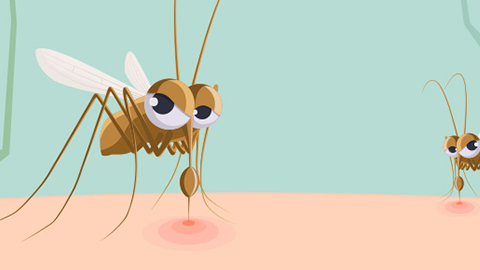
Following a bed bug bite, the skin may exhibit papules, vesicles (resembling bumps), or erythematous plaques with edema, accompanied by marked pruritus. Moreover, the distribution of lesions is often relatively orderly, appearing in linear or streak-like patterns. Treatment primarily involves antiallergic therapy: oral administration of olopatadine hydrochloride tablets or ebastine hydrochloride capsules, combined with topical application of hydrocortisone butyrate ointment mixed with benzydamine hydrochloride ointment. During treatment, if erythema and swelling persist, anti-inflammatory and decongestant agents—such as fusidic acid ointment—should be applied. Additionally, undergarments should be thoroughly washed and either boiled or sun-dried. The indoor environment must also undergo comprehensive cleaning and disinfection, and alcohol consumption should be avoided.

Maintain good personal and environmental hygiene. Apply mosquito-repellent products—such as floral water—to exposed skin to help prevent insect bites. We hope this information proves helpful!