


Is it necessary for a 25-year-old woman to receive the 9-valent HPV vaccine?
Some young individuals have multiple sexual partners in daily life, thereby increasing their risk of cervical cancer and compromising their physical health. Is it necessary for a 25-year-old woman to receive the 9-valent HPV vaccine?
Is it necessary for a 25-year-old woman to receive the 9-valent HPV vaccine?
Yes, it is advisable for a 25-year-old woman to receive the 9-valent HPV vaccine. This vaccine—commonly referred to as the 9-valent human papillomavirus (HPV) vaccine—is designed to prevent infection by certain high-risk HPV strains. Although the 9-valent HPV vaccine is not mandatory, it is generally recommended for individuals aged 16–26 years. Women with active HPV infection or underlying medical conditions—including impaired liver or kidney function or protein allergies—are typically excluded from vaccination; otherwise, healthy women within this age range are encouraged to receive the vaccine.
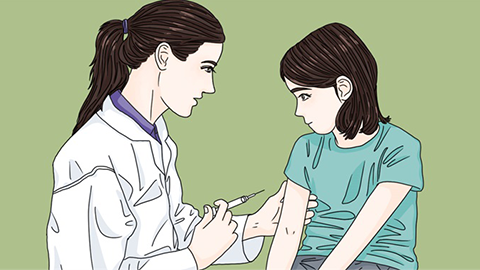
Overall, the 9-valent HPV vaccine provides protection against multiple HPV types, significantly reducing the incidence of HPV-related diseases—including genital warts and cervical cancer. Cervical cancer, in particular, is a malignant tumor primarily caused by persistent HPV infection and poses a serious threat to women’s health. Therefore, eligible women—regardless of whether they have initiated sexual activity—are strongly advised to receive the HPV vaccine.
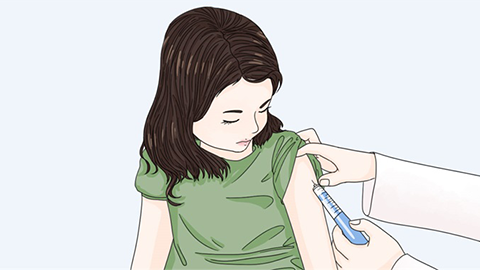
Of note, the 9-valent HPV vaccine is not the only option available. The quadrivalent and bivalent HPV vaccines also offer substantial protection against HPV infection. All three vaccines are approved for use in individuals aged 9–45 years. While there is some overlap in the HPV types covered by these vaccines, concurrent or repeated administration is not recommended. We hope this information is helpful to you.


