


What does an MRI scan examine?
Apr 21, 2022
Source: Cainiu Health

Dr. Cheng Lin
Introduction
MRI examinations can detect neurological damage, including cerebral infarction, brain tumors, inflammation, degenerative diseases, congenital malformations, and trauma. Extensive experience has been accumulated in the accurate and timely diagnosis and precise localization of lesions using MRI—the earliest human system applied for this purpose—making it valuable for diagnosing cardiac conditions such as heart disease, cardiomyopathy, pericardial tumors, pericardial effusion, mural thrombi, and aortic dissection.
In daily life, when individuals suffer from illness, magnetic resonance imaging (MRI) is often employed for diagnostic evaluation. MRI offers comprehensive assessment capabilities across multiple organ systems. So, what conditions can MRI detect?
What Can MRI Detect?
Neurological disorders: including cerebral infarction, brain tumors, inflammatory conditions, neurodegenerative diseases, congenital malformations, and traumatic injuries. As one of the earliest clinical applications of MRI, neurological imaging has accumulated extensive experience in accurate, timely diagnosis and precise lesion localization—enabling early detection of pathological changes.
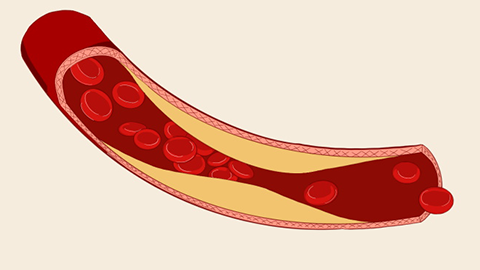
Cardiovascular system: MRI is valuable for diagnosing various cardiac conditions, including cardiomyopathies, pericardial tumors, pericardial effusion, intracardiac mural thrombi, and aortic dissection involving the intima.
Thoracic lesions: MRI effectively evaluates mediastinal masses, lymphadenopathy, pleural abnormalities, and clarifies anatomical relationships among lung parenchyma, major airways, and vasculature.
Abdominal organs: MRI aids in the diagnosis and differential diagnosis of hepatocellular carcinoma, hepatic hemangiomas, and hepatic cysts, as well as intra-abdominal masses—particularly retroperitoneal lesions.

Pelvic organs: MRI facilitates evaluation of uterine leiomyomas, other uterine neoplasms, ovarian tumors, pelvic mass localization, rectal cancer, prostate cancer, and bladder tumors. It also provides high diagnostic value for bone contusions.
Joint structures: MRI demonstrates high diagnostic accuracy for intra-articular cartilage, ligaments, menisci, synovium, other synovial cysts, and bone marrow pathology.
Soft-tissue lesions throughout the body: Whether originating from nerves, blood vessels, lymphatics, muscle, or connective tissue—including tumors, infections, or degenerative conditions—MRI enables more precise localization and characterization.
We hope this information proves helpful to you.







