


What Is Polycystic Ovary Syndrome (PCOS)?
Many women develop gynecological disorders, which can significantly impact both physical and mental health. Polycystic ovary syndrome (PCOS) is one of the most common gynecological conditions affecting women. But what exactly is polycystic ovary syndrome?
What Is Polycystic Ovary Syndrome?
Polycystic ovary syndrome (PCOS) is a reproductive endocrine disorder predominantly affecting women of childbearing age—particularly adolescents. It is characterized by elevated serum androgen levels, chronic anovulation or oligo-ovulation, and polycystic ovarian morphology on ultrasound. PCOS is frequently associated with insulin resistance and obesity. Moreover, women with PCOS face a higher risk of long-term complications—including type 2 diabetes, hypertension, and endometrial cancer—significantly impairing quality of life. To date, the precise etiology of PCOS remains unclear, and no definitive cure exists.
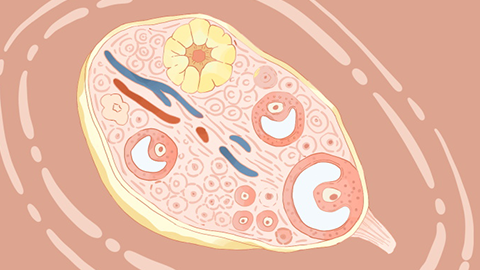
The exact cause of PCOS remains unknown, and its underlying pathophysiological mechanisms are highly complex. Current understanding suggests that PCOS involves dysfunction of the hypothalamic–pituitary–ovarian axis, adrenal dysfunction, genetic predisposition, and metabolic abnormalities.
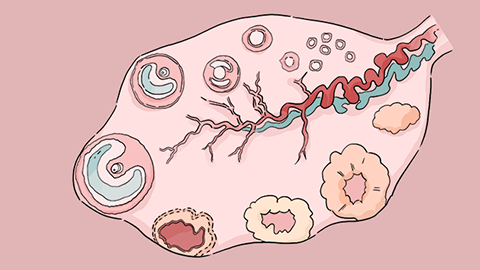
In daily life, consume ample fruits and vegetables to ensure adequate intake of nutrients such as vitamin E and vitamin B2. Drinking one cup of soy milk daily may help support ovarian health. We recommend consulting a reputable infertility and reproductive health clinic for comprehensive evaluation, followed by targeted treatment based on your specific diagnosis. We hope this information proves helpful to you.


