


What should I do if small, itchy blisters appear on my fingers?

Many people accidentally notice small blisters appearing on their fingers in daily life. These blisters are often intensely itchy and may cause a burning sensation, leading to considerable embarrassment and uncertainty about how to respond. What should one do when small, itchy blisters appear on the fingers?
What to Do When Small, Itchy Blisters Appear on the Fingers
For small, itchy blisters on the fingers, treatment under a physician’s guidance—such as topical anti-inflammatory and antipruritic (anti-itch) medications—may be recommended. If severe itching occurs, prompt consultation with a dermatologist is advised for thorough evaluation. Once the underlying cause is accurately diagnosed, patients should actively cooperate with their physician’s prescribed treatment plan.
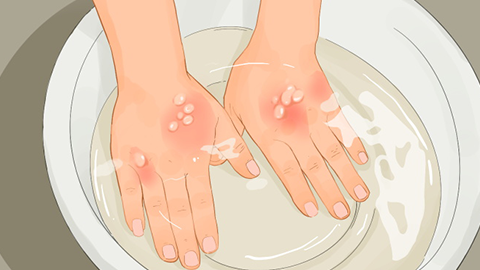
Itchy blisters on the fingers may arise from either physiological or pathological causes. Physiological triggers include hot and humid weather, excessive fatigue, or environmental changes. Pathological causes may include dyshidrotic eczema (pompholyx), atopic or contact eczema, or tinea manuum (fungal infection of the hands). A definitive diagnosis requires evaluation at a reputable medical facility by a qualified dermatologist, followed by appropriate, physician-guided management.
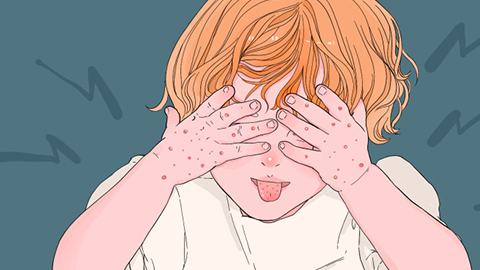
Once patients clearly identify the specific triggering factors, timely, effective interventions and lifestyle adjustments can be implemented. Daily hand hygiene should be prioritized, and exposure to irritating chemical substances minimized. Additionally, maintaining a balanced diet—including light, nutritious foods—while avoiding known allergens, spicy, stimulating, or greasy foods may help prevent symptom exacerbation. We hope this information proves helpful to you.


