


What Are the Symptoms of Cardiovascular Blockage?
Apr 22, 2022
Source: Cainiu Health

Dr. Li Man
Introduction
Cardiovascular obstruction can trigger myocardial infarction, whose hallmark symptoms include persistent chest tightness and chest pain—typically lasting 20–30 minutes. Patients may also experience diaphoresis (cold sweats), involuntary defecation, or even syncope. Notably, symptoms such as chest tightness, chest pain, and dyspnea become more pronounced during emotional stress or excessive physical exertion.
In recent years, the onset age of cardiovascular occlusion has markedly decreased, and acute episodes have become increasingly common—severe cases may even result in sudden cardiac death. What symptoms does cardiovascular occlusion present?
Symptoms of Cardiovascular Occlusion
Cardiovascular occlusion can trigger myocardial infarction. A hallmark symptom of myocardial infarction is persistent chest tightness and chest pain, typically lasting 20–30 minutes. Patients may also experience cold sweats, involuntary bowel movements, or even syncope. These symptoms—particularly chest tightness, chest pain, and shortness of breath—are often exacerbated during emotional stress or excessive physical exertion. Due to sudden myocardial ischemia and hypoxia, onset is usually abrupt; patients may suddenly lose consciousness and, in some cases, exhibit convulsions.
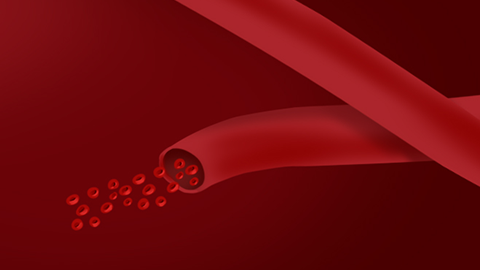
Although cardiovascular occlusion often manifests acutely, it may also progress chronically. If symptoms suggestive of myocardial infarction appear in daily life, heightened vigilance is essential. Prompt consultation with a cardiologist at a reputable hospital is advised, along with diagnostic evaluations such as echocardiography. Timely diagnosis and appropriate treatment not only reduce the risk of acute events but also minimize cardiac damage.
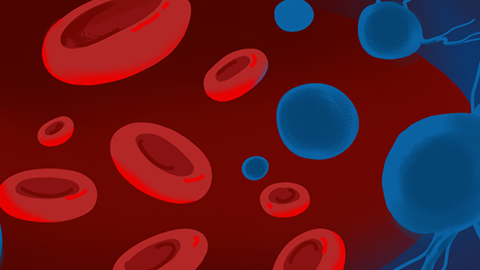
In cases of acute cardiovascular occlusion, ensure the patient maintains an open airway and immediately call emergency services (120) for prompt resuscitation and treatment—this significantly reduces mortality from sudden cardiac death. Additionally, maintaining a light, low-fat diet and engaging in regular physical exercise—especially for patients with atherosclerosis—can effectively prevent cardiovascular occlusion through proper disease management. We hope this information proves helpful to you.



