


What Are the Symptoms of Viral Hepatitis?

The liver is a vital organ in the human body; however, it is frequently affected by disease—such as viral hepatitis—which can cause severe distress for many patients. Some individuals remain unaware of the symptoms associated with this condition. So, what are the clinical manifestations of viral hepatitis?
What Are the Clinical Manifestations of Viral Hepatitis?
In acute viral hepatitis, jaundice is commonly observed. Other typical symptoms include chills, fever, fatigue, anorexia, nausea, aversion to greasy foods, abdominal discomfort, pain in the hepatic region, and progressively darkening urine. These symptoms typically persist for an average of 5–7 days. Viral hepatitis is a disease caused by various hepatotropic viruses, primarily affecting the liver. Its main symptoms include anorexia, nausea, upper abdominal discomfort, and hepatic pain.
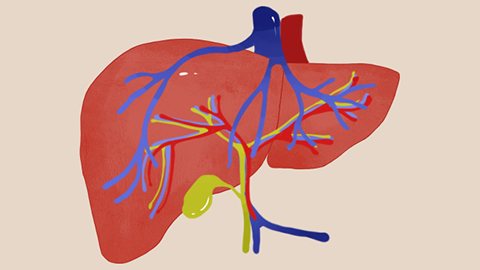
Viral hepatitis is an umbrella term encompassing several distinct diseases, including hepatitis A, B, C, D, and E. All five types—A, B, C, D, and E—are caused by viral infections. Given the transmissibility of viral hepatitis, inadequate preventive measures may lead to infection. In particular, strict isolation is essential during the acute phase of hepatitis A.
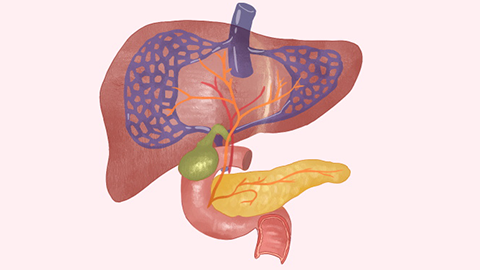
Treatment of viral hepatitis must be individualized according to the specific viral type involved. For hepatitis A virus (HAV) infection, management is primarily symptomatic and supportive. Patients should rest in bed as much as possible during the acute phase and consume light, easily digestible meals. Severely symptomatic patients may require intravenous nutritional support. In cases of marked hepatic dysfunction, hepatoprotective therapy is indicated. For hepatitis B virus (HBV) infection, antiviral therapy targeting HBV constitutes the cornerstone of treatment, supplemented by hepatoprotective and enzyme-lowering therapies. We hope this information proves helpful to you!


