


What Causes Facial Redness and Itching?

Facial redness and itching are among the most common dermatological complaints. Such symptoms may significantly impair normal skin metabolism in the facial region. So, what causes facial redness and itching?
What Causes Facial Redness and Itching?
Redness, warmth, and itching of the cheeks can stem from multiple causes—most commonly allergic reactions, elevated body temperature, or bacterial infection.
1. Allergy: Patients often develop these symptoms after sun exposure, consuming allergenic foods (e.g., seafood or eggs), or contact with environmental allergens.
2. Elevated Body Temperature: Factors such as alcohol consumption, emotional excitement, increased ambient temperature, or febrile illnesses can raise core body temperature, triggering systemic vasodilation to dissipate heat. Because facial skin is relatively thin, vasodilation is especially pronounced here—leading to intermittent redness, warmth, and associated pruritus (itching).
3. Bacterial Infection: Common causative pathogens include Staphylococcus aureus and streptococci. Clinical manifestations typically include facial erythema, warmth, swelling, pain, and concurrent itching.
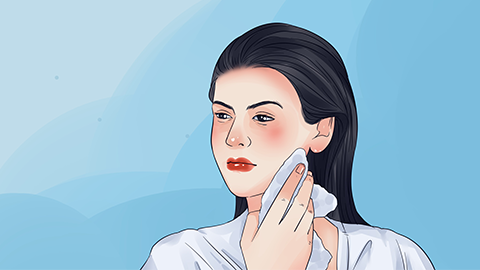
If you prefer to avoid medication for mild allergic reactions, oral vitamin C or calcium carbonate tablets may help alleviate symptoms. Additionally, to prevent persistent allergic responses, adopt a light, non-irritating diet—avoiding spicy and stimulating foods—and maintain good facial hygiene. For localized allergic reactions, targeted topical or systemic antiallergic therapy can rapidly restore normal skin condition.
In cases of severe or persistent facial redness and itching, consult a healthcare provider for allergy testing to identify specific triggers. We hope this information has been helpful. Wishing you optimal health and well-being!


