What should I do if my child develops a fever after receiving the measles vaccine?
Apr 24, 2022
Source: Cainiu Health

Dr. Ma Yan
Introduction
Fever after receiving the measles vaccine is a normal phenomenon. If the body temperature exceeds 38.5°C, antipyretic treatment should be initiated promptly—ibuprofen or Anruike (acetaminophen) may be administered orally under a physician’s guidance. This helps prevent complications that may arise from excessively high fever. For temperatures below 38°C, physical cooling methods—such as wiping the body with lukewarm water or applying cold compresses—may be used.
Many infants experience various adverse reactions following measles vaccination, such as rashes and fever. What should you do if your child develops a fever after receiving the measles vaccine?
What to Do If Your Child Develops a Fever After Measles Vaccination
Fever following measles vaccination is a common and generally normal reaction. If the body temperature exceeds 38.5°C, prompt antipyretic treatment is recommended—under a physician’s guidance, oral ibuprofen or paracetamol (e.g., Anruike®) may be administered. This helps prevent complications that could arise from excessively high fever. For temperatures below 38°C, physical cooling methods are appropriate—for example, gently wiping the body with lukewarm water or applying cold compresses to help bring the temperature down to normal within a short time. Additionally, during the febrile period, ensure adequate fluid intake. Increased water consumption promotes greater urine output and more frequent bowel movements; heat is partially dissipated from the body through defecation, thereby providing supportive relief for fever reduction.
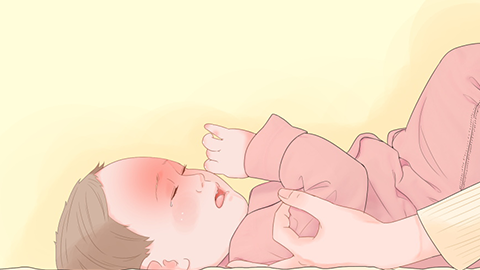
Measles is a highly contagious respiratory infectious disease, commonly causing outbreaks in childcare facilities and schools. It has a rapid onset and can be severe, with potential complications including pneumonia and viral encephalitis. Therefore, measles vaccination is administered specifically to prevent transmission of the disease.

After measles vaccination, closely monitor the child for any unusual symptoms. Bathing should be avoided for at least 24 hours post-vaccination, and anti-inflammatory medications should be avoided for three days. We hope this information is helpful to you.