What are the six sex hormone tests?
Apr 24, 2022
Source: Cainiu Health
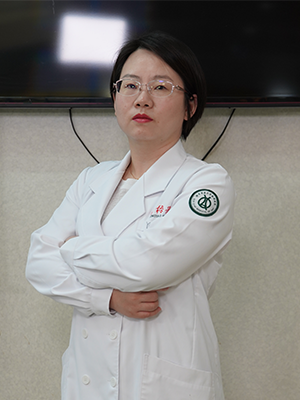
Dr. Yang Qiong
Introduction
The six sex hormone tests include estradiol, progesterone, prolactin, testosterone, follicle-stimulating hormone (FSH), and luteinizing hormone (LH). Blood testing can be performed at the hospital on days 3–5 of the menstrual cycle. These hormone assays reflect the functional status of the hypothalamus, pituitary gland, and ovaries. Prior to testing, adequate rest is recommended. Fasting before blood collection is preferred, and attention should be paid to whether the test results fall within normal ranges.
Many unmarried men and women undergo premarital health examinations at hospitals before marriage to assess their overall physical health. What does the “six-sex-hormone panel” test entail?
What Does the Six-Sex-Hormone Panel Include?
The six-sex-hormone panel includes estradiol, progesterone, prolactin, testosterone, follicle-stimulating hormone (FSH), and luteinizing hormone (LH). Blood testing is typically performed on days 3–5 of the menstrual cycle. This test reflects the functional status of the hypothalamus, pituitary gland, and ovaries. Prior to testing, adequate rest is recommended. Fasting is preferred when visiting the hospital for blood draw, and attention should be paid to whether the laboratory results fall within normal reference ranges.

The six-sex-hormone panel is most accurate when conducted on menstrual days 2–3, as it best reflects baseline ovarian function—particularly valuable for patients with polycystic ovary syndrome (PCOS), infertility, or premature ovarian insufficiency (POI). Venous blood is drawn for analysis, ideally in a fasting state and preferably in the morning. The six hormones assessed are follicle-stimulating hormone (FSH), luteinizing hormone (LH), estrogen, progesterone, prolactin (PRL), and testosterone.

In patients with PCOS, the LH/FSH ratio may be ≥2–3, and androgen levels are often elevated; some patients may also exhibit mild hyperprolactinemia. In contrast, patients with premature ovarian insufficiency commonly present with elevated FSH and reduced estrogen levels. Therefore, timely self-monitoring is essential to detect abnormalities early. We hope this information proves helpful to you!