


What to Do for Spring Pollen Allergies

Many people have sensitive skin that is prone to allergic reactions, especially upon exposure to allergens. Common allergic symptoms include pollen allergy, which frequently occurs during spring—the peak season for such allergies. So, what should one do about springtime pollen allergy?
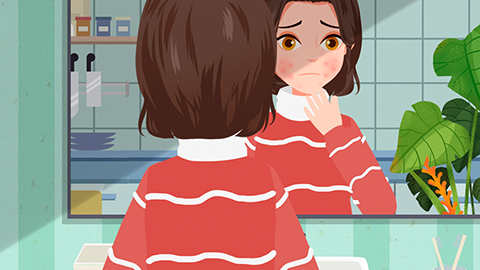
Managing Springtime Pollen Allergy
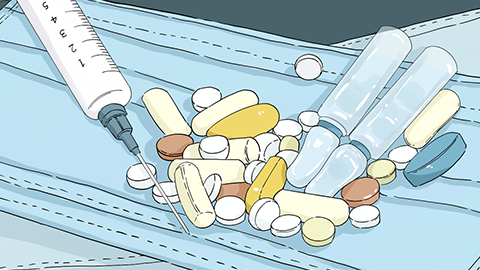
For pollen allergy, the first-line measure is to thoroughly rinse exposed skin with copious amounts of cool water. Throughout the course of the reaction, avoid scratching, washing with soap, or using hot water. Do not apply any irritating topical medications. In cases of severe localized rash, cold compresses may be applied. Soothing agents—such as silicone-based emollient creams or E-cream—can also be used. Additionally, oral antihistamines may be taken primarily to relieve itching and reduce hypersensitivity; examples include vitamin C tablets, chlorpheniramine, diphenhydramine, and ebastine.
Pollen-allergic individuals commonly experience symptoms such as sneezing and rhinorrhea; headaches may also occur. Pollen allergy manifests in three primary forms: (1) Pollen-induced allergic rhinitis, characterized by nasal pruritus, sneezing, rhinorrhea, nasal congestion, and impaired breathing; (2) Pollen-induced allergic asthma, presenting as paroxysmal coughing, dyspnea, production of white, frothy sputum, and acute-onset, progressively worsening asthma attacks—patients typically recover fully and return to baseline health; (3) Pollen-induced allergic conjunctivitis, marked by ocular pruritus and eyelid swelling in children, often accompanied by watery or purulent discharge.
The above outlines practical management strategies for springtime pollen allergy. We hope this information proves helpful to you.


